
If a contractor says your site needs a roof inspection, and your asset team asks for a roof audit, you may be talking about two very different levels of scrutiny. That distinction matters. In commercial property, vague language leads to vague scope, weak reporting and expensive decisions made on partial facts.
The roof inspection vs roof audit question is not just about terminology. It affects procurement, risk allocation, maintenance planning and whether you are getting a basic snapshot or a defensible technical assessment. For owners and managers of large assets, that difference can mean the gap between controlled expenditure and reactive capital blowouts.
Roof inspection vs roof audit: the basic difference
A roof inspection is usually a targeted assessment of the roof’s current condition. It is often commissioned when there is a known problem, a visible leak, storm damage, ageing materials or a maintenance concern that needs prompt review. The purpose is to identify defects, likely causes and immediate risks.
A roof audit is typically broader and more strategic. It looks beyond obvious defects and considers the roof as an asset over time. That can include condition grading, defect mapping, remaining service life, maintenance liabilities, replacement forecasting, compliance issues and portfolio-wide budgeting.
In plain terms, an inspection tells you what is wrong. An audit tells you what is wrong, what is likely to go wrong next, what it will cost if ignored and how to plan around it.
That said, the market is messy. Some providers use the terms interchangeably. Others label a quick walkover as an audit because it sounds more substantial. That is where clients get caught. The label matters less than the scope, methodology and independence behind it.
What a roof inspection usually covers
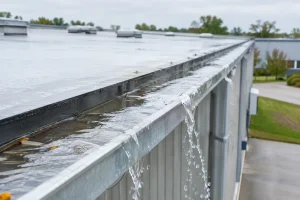
A commercial roof inspection is generally focused on evidence at roof level and the practical causes of failure. It may assess membrane condition, sheet metal deterioration, flashings, laps, penetrations, drainage performance, ponding, sealant failure, rooftop plant interfaces and signs of workmanship issues.
If water ingress is the trigger, the inspection may extend to internal leak tracing, moisture pathways and damage correlation between the roof assembly and occupied spaces below. If the concern is post-construction quality, the inspection may focus on installation defects, incomplete works and non-compliant details.
A good inspection report should not stop at pointing out symptoms. It should identify probable causes, assign priority and give the client enough technical detail to challenge a contractor, scope rectification properly or make an informed maintenance decision.
What it may not do is provide a full lifecycle strategy. That is not a flaw if the brief is narrow. It is only a problem when a client needs capital planning advice but receives a defect list instead.
When an inspection is the right tool
An inspection is usually the right choice when there is an active issue, a dispute, a warranty concern, a handover problem or a need for urgent technical clarity. It works well when the question is specific and time-sensitive.
For example, if a logistics facility has recurring leaks over dispatch areas, the immediate need is not a ten-year renewal model. The immediate need is to identify why the roof is failing, how widespread the defects are and what must be done to control operational risk.
The same applies after severe weather, before accepting practical completion, or when a contractor’s repair recommendation does not match the evidence.
What a roof audit usually covers
A roof audit is more useful when the roof must be understood as part of a broader asset decision. This is common across government estates, education campuses, healthcare sites, industrial portfolios and large commercial holdings where multiple buildings, varying ages and constrained budgets are in play.
A proper audit usually includes condition assessments across roof zones, defect categorisation, risk commentary, maintenance backlog identification and service life analysis. It may also review drainage capacity, waterproofing interfaces, access and safety issues, historical patching patterns and recurring failure points that indicate deeper design or buildability problems.
The commercial value of an audit is that it turns roof condition into a decision-making framework. It helps asset owners prioritise works, sequence spending and separate items that need immediate intervention from those that can be managed through planned maintenance.
That is critical when every defect competes with other capital demands. The roof does not exist in isolation from the rest of the portfolio. A roof audit helps put roofing expenditure in the right place on the balance sheet rather than letting it arrive as an emergency.
When an audit is the better choice
An audit is often the better fit when the question is not simply, “What is leaking?” but “What is the condition of this roof asset, what liabilities are emerging and how should we plan?” It is especially valuable before acquisition, during portfolio reviews, ahead of major maintenance programs, or when ownership needs evidence for budget submissions.
It is also the stronger option when stakeholders need a defensible basis for expenditure. Boards, government departments, institutional owners and large facility teams rarely want opinions without structure. They need evidence that can stand up in procurement, planning and internal review.
Why the wrong brief creates bad decisions
Most roof problems are not caused by lack of effort. They are caused by asking the wrong question and getting the wrong service.
If you commission an inspection when you really need an audit, you may get a technically correct report that still fails to support capital planning. If you commission an audit when the immediate issue is a live defect dispute, you may pay for strategic reporting before anyone has pinned down the actual cause of failure.
This is where clarity at the start saves money. Define whether the objective is diagnosis, verification, compliance, budgeting, lifecycle planning or contractor accountability. Once that is clear, the scope can be shaped properly.
The bigger risk is relying on contractor-led advice where the inspection process is tied to selling remedial works. That arrangement creates a built-in incentive to frame the problem in a way that supports a repair outcome. Sometimes the recommendation is fair. Sometimes it is inflated, premature or strategically convenient.
For high-value assets, that is not good enough. You need advice that is not trying to win the next job.
Independence matters more than the label
In the roof inspection vs roof audit debate, independence is often the real dividing line between useful information and sales material.
An independent consultant has no commercial reason to overstate defects, accelerate replacement timing or steer the client towards a preferred product or scope. That matters when the findings will influence tender strategy, contractor negotiations, reserve funding or whether a roof is maintained, restored or replaced.
It also matters in disputes. A report carries more weight when the author is not also quoting the rectification works. For asset managers and procurement teams, that independence creates leverage. It gives you a factual platform to test claims, challenge scope and avoid being cornered into unnecessary spend.
This is why specialist advisory firms such as Roof Inspection Australia exist on a fee-for-service model. We do not sell roofing. We just tell you the truth. For commercial clients, that is not a branding line. It is a control measure.
How to choose between a roof inspection and a roof audit
Start with the decision you need to make, not the term you think sounds right. If the immediate issue is a defect, leak, workmanship concern or disagreement with a contractor, an inspection is usually the right entry point. If the decision involves budget forecasting, asset strategy, prioritisation across sites or lifecycle planning, an audit is usually more appropriate.
Then test the scope. Ask what will actually be inspected, how defects will be documented, whether the report will include cause analysis, whether condition ratings will be applied and whether recommendations will be prioritised in commercial terms. If those answers are vague, the terminology does not matter because the service definition is already weak.
Also ask who benefits from the outcome. If the same party diagnosing the problem is also positioned to sell the solution, treat the findings carefully. Independent advice gives you cleaner evidence and stronger commercial footing.
The smarter question to ask
Rather than asking for a roof inspection or a roof audit as if they are fixed products, ask for the level of assessment that matches the decision at hand. Sometimes that will be a targeted inspection. Sometimes it will be a full asset audit. Sometimes it will start as one and develop into the other once the initial facts are established.
What matters is not the label on the report cover. What matters is whether the work gives you enough truth to protect the asset, defend the budget and make the next decision with confidence.
Roofs fail quietly until they do not. If the stakes are high, get the scope right before the water starts setting your priorities for you.