


A roof inspection report can make the difference between peace of mind and costly surprises. For commercial property owners, relying solely on standard trade reports can hide defects, obscure warranty risks, and lead to unplanned capital expenditure. In this article, we will go over how roof inspection reports should be read, what independent reports reveal, and why understanding a roof’s condition is crucial for asset protection. By the end, you’ll have a clearer view of how independent roof reports can safeguard your investment.
What Standard Roof Reports Often Miss
Many commercial roof inspection reports focus on the immediate scope of work rather than the broader roof condition or lifecycle risks. Trade roofers typically highlight what they are contracted to repair or replace, but a standard roof report may omit:
- Hidden leaks or moisture ingress
- Roof design flaws affecting long-term durability
- Compliance and warranty risks
A roof inspection from an independent inspector provides a comprehensive roof condition report. It evaluates the roof design and construction, identifies defects likely to cause problems, and captures the roof’s condition for future roof maintenance planning. Standard reports may be sufficient for minor residential checks, but for commercial roofs, they often leave critical gaps that can lead to costly repairs down the line.
Additionally, many commercial roof inspection reports fail to consider the impact of major weather events, roof inspection services requirements under Australian standards, or the building’s intended purpose. By relying on independent reports, asset managers can ensure their roof design is fit for its intended use and that any latent defects are uncovered before they escalate.
Not sure what your current roof report isn’t telling you?
Why Independent Roof Reports Protect Assets
Independent roof reports differ from traditional trade reports because they are unbiased, impartial, and designed for asset owners—not contractors. An independent inspector evaluates the roof’s condition holistically, ensuring the report goes beyond the standard building inspection.
Key benefits include:
- Detecting defects likely to cause problems or need repair in the future
- Assessing roof design and construction for compliance with Australian standards
- Providing peace of mind knowing potential warranty or insurance claims are supported with documented evidence
For commercial properties, an independent roof report also informs budgeting and capital planning. It ensures that roof inspection reports provide a clear understanding of the roof’s condition, roof maintenance needs, and potential hidden costs. Asset managers can use these reports to make informed decisions about pre-purchase inspections, insurance claims, and risk mitigation strategies.
Understanding the Roof Condition Section
A thorough roof condition report provides insights into:
- Roof membrane integrity
- Flashings and penetrations
- Drainage performance
- Material degradation due to UV, atmospheric conditions, or corrosion
The roof condition section of a roof inspection report may also include drone roof inspections, which provide high-resolution imagery of the roof surface and potential problem areas. This allows the inspector to detect defects that are hidden from a standard visual inspection, such as hairline cracks in membranes or compromised joints.
Inspectors also evaluate:
- Roof slope and water runoff effectiveness
- Roof design’s compatibility with installed systems, like solar panels or HVAC penetrations
- Longevity estimates based on the roof’s materials and maintenance history
For commercial properties, understanding the roof’s condition is essential for preventing costly repairs and ensuring compliance with warranty conditions. Without a detailed assessment, defects may remain unnoticed until major repairs are unavoidable.
Make roof decisions based on evidence, not assumptions.
Common Defects That Compromise Roof Weatherproofing
Commercial roofs are particularly vulnerable to hidden defects that compromise weatherproofing. A roof inspection and report can highlight:
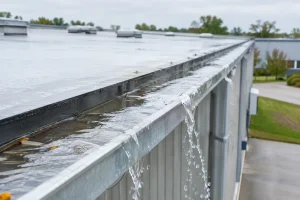
- Ponding water caused by insufficient drainage
- Poorly installed or deteriorated flashings
- Incompatible roofing materials
- Structural movement affecting membrane tension
For example, metal roof panels that are not properly fastened can lead to leaks and corrosion. Similarly, roof membranes may develop pinholes over time, creating pathways for moisture ingress.
Independent inspectors focus on defects that could compromise the roof’s intended purpose or roof design is fit for long-term performance. By documenting these issues in roof inspection reports, property owners gain actionable insights that protect against future capital expenditure.
Hidden defects don’t show up until the cost does.
Warranty and Insurance Risks in Roof Inspection Reports
One of the most overlooked aspects of roof inspection reports is their role in managing warranty and insurance exposure. Defects that are not recorded at the time of inspection can lead to warranty disputes years later. Common risks include:
- Assumptions made during handover inspections
- Defects that develop between the original build and the first maintenance cycle
- Non-compliance with manufacturer specifications
Independent roof inspections provide unbiased and reliable inspections that support warranty claims and reduce the risk of insurance claim disputes. A qualified roof inspector ensures the assessment of your roof’s condition is accurate and includes clear documentation, photos, and recommendations for maintaining the roof’s integrity.
How to Read a Roof Inspection Report Effectively
Reading a roof inspection report requires attention to detail. Key points to focus on:
- Inspection Scope – Verify whether the report includes all roof areas, including flashings, penetrations, and gutters.
- Defect Listing – Check if defects likely to cause problems are clearly documented.
- Condition Assessment – Understand the roof’s current condition, remaining lifespan, and material degradation.
- Recommendations – Ensure any recommendations are independent, not tied to a contractor’s repair agenda.
By focusing on these elements, property owners can interpret the report with confidence and make informed decisions about roof repairs, maintenance programs, or capital planning.
Book a roof inspection today
Why Independent Reports Go Beyond Standard Building Inspections
Standard inspections often focus on immediate repair needs. In contrast, independent roof inspection reports provide:
- Detailed assessment of the roof’s design and construction
- Identification of latent defects likely to cause future issues
- Compliance checks against Australian standards
- Support for insurance and warranty claims
This ensures that commercial property owners are fully informed about the condition of their roof and can plan maintenance, repairs, or capital works strategically.
Key Takeaways
- Standard trade reports often miss hidden defects and warranty risks.
- Independent roof reports provide unbiased, thorough, and reliable inspections.
- Look for detailed roof condition reports, defect listings, and recommendations in your report.
- Pay attention to maintenance needs, material wear, and roof design compatibility.
- Use independent roof reports as part of a due diligence process for acquisitions, insurance, and capital planning.
- Regular independent inspections help avoid costly repairs, warranty disputes, and insurance issues.
Protect your commercial assets with RIA’s independent roof inspection reports. Our qualified roof inspectors provide comprehensive, unbiased assessments that go beyond standard building inspections, ensuring your roof’s condition is clearly documented and your investment safeguarded.
A detailed inspection of a commercial or residential roof provides a thorough inspection that highlights the condition of your roof, potential roof issues, and any hidden roof defects. A professional roof inspection ensures that the roof design and construction are fit for the intended purpose, and the report covers all areas required for proper roof assessment.
Regular roof inspections should be conducted at least once a year, or as part of the due diligence prior to purchase or lease of a building. These inspections provide a roof check that can detect any defects likely to cause problems and help maintain the condition of the building’s roof, giving peace of mind across Sydney, QLD, and NSW.
A roof inspection – case study demonstrates how thorough inspections can identify issues that standard inspections may miss. By reviewing past roof reports across similar commercial properties, owners can make an informed decision about repairs, roof maintenance, or capital planning, ensuring that the roof design meets the intended purpose of the building.
Yes. Professional roof inspections go beyond the standard by providing impartial and independent analysis of the condition of the roof. An inspector can assess structural issues, roofing materials, and installation quality, giving comprehensive reports and reliable inspections of roof design that ensure your roof is in good condition.
Experienced roof inspectors bring expertise and experience in the roofing industry, which is essential to provide a detailed inspection. Their knowledge ensures that the condition of the roof is accurately assessed, defects are identified, and architectural design plans are reviewed, helping asset managers or building owners make informed decisions before committing to repairs or investments.