



Roof leaks are a problem most property owners discover too late. By the time water drips from a ceiling during heavy rain, thousands of dollars in hidden damage have already occurred. Learning how to detect roof leaks before they become obvious saves money, prevents structural damage, and protects a building from the cascading problems that moisture intrusion creates.
Early detection separates a minor repair from a major replacement. A small leak caught within weeks causes minimal harm and costs hundreds to fix. The same leak ignored for months leads to timber rot, mould, electrical hazards, and repair bills climbing into five figures. The single most useful principle is that a roof leak should be found at its source, not where it drips, because the two are rarely in the same place. This guide explains what to look for, where roof leaks start, a step-by-step way to detect roof leaks yourself, and how professional roof leak detection finds the source before it escalates. Knowing how to detect roof leaks early is the difference between a quick fix and a major repair, and a documented roof condition and risk assessment is what turns a hunch into a defensible finding.
Visible Early Indicators of a Leaking Roof
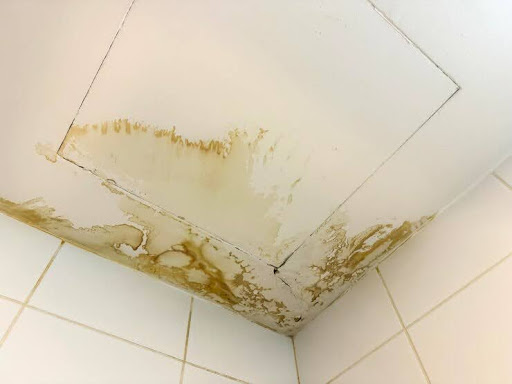
Water stains on ceilings are the most obvious sign of a leak, but they appear late in the damage timeline. Brown or yellow discolouration means water has been seeping in for weeks or months, and by the time a stain shows, the structure above has usually already deteriorated in ways a cosmetic ceiling repair will not fix.
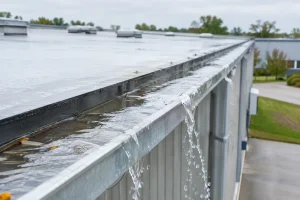
External indicators show up earlier. Check the roof for missing or damaged tiles, lifted metal sheeting, or displaced flashing around chimneys and vents, because these defects create the entry points water uses during the next rainfall. Gutters overflowing or pulling away from fascia boards point to drainage problems that let water back up under roof edges. Daylight visible through a roof cavity means gaps that admit both light and water, so a walk through the roof space on a sunny day is one of the simplest ways to detect roof leaks before they reach the ceiling. Any light penetration other than through proper ventilation is a potential leak point.
Hidden Leak Symptoms Inside Ceilings and Walls
Not every symptom is visible, and the hidden ones often matter more.
- A musty odour signals moisture accumulation before any visual evidence appears.
- A damp smell in specific rooms points to water in ceiling cavities or wall spaces where mould thrives out of sight behind plasterboard.
- Paint bubbling or peeling on ceilings and upper walls shows moisture migrating through materials, and it often appears some distance from the actual source because water travels along timbers, sarking and conduits first.
- A sagging ceiling section means water is pooling above the plasterboard, an advanced symptom that can precede collapse and demands urgent assessment.
- Flickering lights or tripping circuits can mean water has reached wiring in the ceiling space, a dangerous combination that signals the leak has penetrated deep into the building.
Reading these signals correctly is where a proper roof condition and risk assessment replaces guesswork.
How to Detect a Roof Leak: A Step-by-Step Method
If you want to detect roof leaks yourself before calling a professional, work through the building in a deliberate order rather than hunting at random.
- Start inside at the evidence. Note the exact position of every stain, sag, blister or damp smell, and photograph each with the date. These are your clues, not your answer, because the source is usually uphill of the symptom.
- Move into the roof cavity. On a dry, sunny day, look for daylight, water staining on sarking and timbers, damp insulation, and rust tracks. Trace any wet timber uphill toward where the water enters.
- Inspect the roof exterior. Check flashings, valleys, penetrations, ridge capping and the condition of tiles or sheeting, concentrating on transitions where materials meet.
- Check the drainage. Clear and inspect gutters, downpipes and box gutters, since blocked drainage is a leading cause of water backing up under roof edges.
- Run a water test if the source is still unclear. With a helper watching inside, run a hose over the roof in sections, starting low and working uphill, spending several minutes on each area (flashings and penetrations first) until the leak reproduces. This isolates the exact entry point rather than the general area.
The water test is the technique most property owners skip, and it is the one that most reliably confirms a source. Where the leak still cannot be traced, or the roof cannot be accessed safely, that is the point to bring in forensic roof analysis and asset advisory rather than keep guessing. This is exactly the situation forensic roof analysis and asset advisory is built for: isolating a single entry point among many plausible ones, which is the hardest part of learning how to detect roof leaks on a complex roof. At that stage independent roof inspection consultants will reproduce and document the source rather than patch the nearest suspect.
The Most Common Causes of Roof Leaks in Australia
Knowing where roofs usually fail makes detection far faster.
Flashing failures
Flashing seals the joints where a roof meets walls, chimneys, skylights and vent penetrations. Over time the metal corrodes, sealants perish, or movement opens gaps. Valleys, where two roof planes meet, concentrate water flow and fail more often than open roof areas.
Broken or displaced tiles
Australian heat cycles expand and contract roofing materials, loosening fasteners and cracking tiles, and foot traffic during maintenance breaks tiles without obvious signs. One cracked tile among hundreds seems trivial until heavy rain drives a stream of water through that single opening.
Blocked gutters and drainage
Leaves, debris and biological growth stop proper drainage, forcing water to pond and seep backwards into roof spaces. The problem worsens in heavy rain, and overflowing gutters also drive water against fascia and wall cladding, creating secondary leak routes.
Sarking and underlayment failure
Sarking is the secondary waterproofing layer beneath the roof surface. UV, heat and age make it brittle, and older buildings often lack a modern barrier at all, so water penetrates in extreme weather even when the outer surface looks sound.
Penetration seals
Every pipe, vent and conduit through the roof is a potential entry point. Rubber boots crack, sealants lose adhesion, and storm damage dislodges covers. The more penetrations a roof carries, the more points need checking. Mapping these failure patterns across a building is part of a structured building envelope risk assessment and advisory, and it is why knowing how to detect roof leaks starts with knowing where roofs fail. Each of these causes should be weatherproofed to the relevant Australian Standards, in particular AS 4654 for waterproofing membranes, and the National Construction Code performance requirements, so a defect assessed against a named standard is far easier to act on. A thorough building envelope risk assessment and advisory checks every one of these points rather than the obvious few.
Why Leaks Are Often Misdiagnosed Without Professional Assessment
Water travels unpredictably through a roof cavity. A leak above a bedroom might originate from flashing three metres away at a different roof level, because water follows timber members and sarking before finally dripping inside. That distance between source and symptom is what makes a leak so hard for an owner to locate.
Intermittent leaks confuse diagnosis further. Some defects only leak during wind-driven rain, others only above a certain rainfall intensity, so a roof can stay dry for months and then pour during a storm. That inconsistency leads owners to believe a repair worked when the problem simply lay dormant. Independent roof performance and risk advisory looks past the obvious symptom to the actual source, which is the whole point of commissioning it.
Good roof performance and risk advisory treats the leak as a system problem, not a single hole, and an experienced independent roofing consultant knows the pathways water takes before it ever shows inside. This is where independent roof asset intelligence replaces the trial-and-error that leaves owners repairing the wrong thing twice.
Detecting Leaks on Flat and Commercial Roofs
Flat and low-slope commercial roofs leak differently from pitched domestic roofs, and the detection approach changes accordingly. Water does not run off quickly, so ponding sits over defects and finds its way through the smallest membrane fault, failed lap or tired termination. On a large-format roof the symptom inside can be a very long way from the source, and foot traffic from trades and rooftop plant adds puncture risk that a domestic roof never faces.
Detection on these roofs leans harder on moisture mapping, membrane inspection and drainage assessment than on a simple visual scan, and it is where evidence-based roof consulting for high-value assets earns its place. Knowing how to detect roof leaks on a membrane roof is a different skill from pitched-roof detection, and evidence-based roof consulting for high-value assets brings the right method to each. For asset owners, consistent commercial property roof leak detection across a portfolio also matters, because a single untraced leak over critical operations can cost far more in disruption than the roof itself.
This is a core part of roof asset advisory and risk management on any commercial building, and it feeds directly into roof asset audits and lifecycle planning so the same fault is not rediscovered every wet season. The roof inspection services Australia owners trust for this are the independent ones with no repair to sell.

Tools Professionals Use to Detect Roof Leaks
Three tools separate a professional diagnosis from a guess.
Moisture meters measure water content in timber, plaster and other materials, so readings above the normal range confirm an active or recent leak and map where the water has spread. Thermal imaging cameras read the temperature differences wet materials create, revealing leak paths hidden behind walls or under insulation during the right weather conditions. Dye testing applies a coloured tracer to suspected points on the roof while an observer inside watches for it to appear, proving which specific defect causes the interior intrusion. Used together, these are the backbone of professional roof leak detection and of the independent roof asset intelligence a documented report provides. In the hands of qualified roof inspection consultants, they turn how to detect roof leaks from a guessing game into a repeatable method, and they are the same tools the national roof inspections RIA runs apply on every site.
A Quick Roof Leak Detection Checklist
Use this as a fast reference before and during any check:
- Photograph every interior stain, sag, blister and damp smell, with dates
- Inspect the roof cavity for daylight, wet sarking, damp insulation and rust tracks
- Check flashings, valleys, ridge capping and penetrations on the exterior
- Clear and inspect gutters, downpipes and box gutters
- Run a sectional water test from low to high to confirm the source
- On flat roofs, check for ponding, membrane faults and failed terminations
- Document findings before any repair so quotes target the real defect
Running this consistently is how roof asset audits and lifecycle planning catch vulnerabilities before they become leaks, and it is the simplest way to put what you know about how to detect roof leaks to work on a schedule rather than in a crisis. A documented roof condition and risk assessment at the same interval keeps the record defensible for insurers and boards alike.
Why Delaying Detection Increases Long-Term Costs
Small leaks grow worse exponentially. A minor seal failure letting occasional drips through deteriorates the surrounding materials, timber stays wet and rots, and rusted flashing opens larger holes. What starts as a $300 repair becomes a $3,000 problem within a year, then a $15,000 disaster requiring partial roof replacement if ignored long enough.
The hidden costs exceed the visible ones. Water damage reduces insulation performance, creates electrical risk, promotes mould that needs professional remediation, and ruins anything stored in the roof space. Insurance frequently excludes damage from “long-term gradual leaks”, leaving the owner liable for problems that developed slowly, so the Insurance Council of Australia guidance on maintenance and claims is worth understanding before a claim is ever lodged. Finding a leak early keeps costs contained and claims straightforward.
How RIA Detects Leaks Without Selling Repairs
Independence shapes the whole approach. RIA inspects to find and document the source of a leak, not to generate a repair quote, so the assessment is honest about location, severity and priority. There is no incentive to inflate a problem or play one down, because RIA does not bid on the repair work. That separation is the essence of roof asset advisory and risk management, and it is why owners who want an unbiased answer come to an independent roofing consultant rather than the contractor hoping to win the job. An independent roofing consultant answers only to the owner, which is what makes forensic roof analysis and asset advisory on a leak trustworthy, and it is the reason this sits within genuine roof asset advisory and risk management rather than a sales process.
The methodology is systematic. Inspectors test likely failure areas with moisture meters, thermal imaging and dye testing, examining penetrations, flashing junctions, valleys and material condition in turn, so the report captures current leaks and imminent ones alike. Delivered this way, evidence-based roof consulting for high-value assets and independent roof asset intelligence give an owner a finding they can act on with confidence, and the record feeds a building’s roof asset audits and lifecycle planning rather than being thrown away after the drip stops. The documentation gives clarity for the decision that follows: photographs of each defect, moisture readings, the exact leak location, and repairs prioritised by urgency. Armed with that, an owner can obtain competitive quotes knowing exactly what needs fixing, which prevents padding and unnecessary work. Delivered to a national standard, this is the discipline behind the roof inspection services Australia owners rely on, and the national roof inspections RIA runs apply the same method on every site.
RIA does not publish a fixed price list for leak detection. We confirm a single fixed fee once the scope is understood, shaped by roof size and complexity, access, location, and the depth of reporting required. Once the scope is clear the fee is fixed before any work begins, and you can request a quote to know the full cost up front.
Book a Professional Leak Diagnosis
Do not gamble with guesswork while damage accumulates. A professional assessment finds the source accurately, documents the extent, and gives repair guidance you can trust. Whether you have spotted warning signs or simply want certainty before the next storm, RIA delivers roof leak detection focused on facts, not sales, with findings discussed on site and a detailed written report within 48 hours. This is roof performance and risk advisory and building envelope risk assessment and advisory applied to the single question that matters: where is the water actually getting in?
Contact RIA today to detect roof leaks at the source and protect your building from the water damage that delayed action causes. Our roof inspection consultants diagnose leaks across Australia through the same independent, report-driven approach, so wherever the building is, the method and the standard are the same.
Keep Protecting Your Roof
- Roof Condition Report: the full documented assessment behind a leak diagnosis.
- Roof Maintenance Planning: catching the drainage and flashing faults that cause leaks before they fail.
- Commercial Roof Inspection: leak detection and condition assessment for commercial assets.
- Roof Inspection Services Australia: independent, national, report-driven assessments.
FREQUENTLY ASKED QUESTIONS
Early indicators include missing or damaged tiles, water stains on ceilings, musty odours in specific rooms, and bubbling paint on upper walls. External signs such as displaced flashing or overflowing gutters also signal problems. Any of these warrants a professional assessment before further damage occurs.
They use moisture meters to measure water content in materials, thermal imaging to detect temperature differences caused by dampness, and systematic visual assessment of every likely entry point. Dye testing traces the water path from the roof exterior to the interior leak, confirming the exact source.
Work inside to out: record the interior evidence, inspect the roof cavity for daylight and damp, check flashings, valleys and penetrations on the exterior, clear the gutters, then run a sectional hose test from low to high until the leak reproduces. If it still cannot be traced, or the roof is unsafe to access, call a professional.
No. A small leak deteriorates the surrounding materials the longer it is left, expanding the affected area and increasing the cost. What looks minor now compounds quickly, so prompt detection and repair saves money and prevents structural damage.
Water travels along timbers and sarking inside the cavity before it finally penetrates the ceiling, so the interior drip rarely sits under the exterior source. That disconnect is exactly why professional detection matters for an accurate repair.
At least annually, with an extra check after any severe storm, after any roof work, and whenever warning signs appear. Regular assessment keeps a roof weather-tight and catches developing faults before they reach the ceiling.
It depends on the cause and timeline. Storm damage is typically covered, but long-term gradual leaks from deferred maintenance often are not. Early detection and dated, independent documentation support a claim by establishing when the damage occurred.