



A roof report should do far more than confirm whether a roof looks intact on the day of inspection. A comprehensive roof inspection and report is meant to explain risk, condition, and future exposure not simply recommend repair works. Yet many roof inspection reports fall short of providing the insight asset owners, developers, and facility managers actually need.
This article explains what a roof report should include, why many inspection report documents miss critical defects, and how an independent roof inspection becomes a powerful risk-management tool rather than a trade document. If you rely on roof inspection reports for capital planning, compliance, or acquisition decisions, this guide will help you separate surface-level reporting from genuine assurance.
What Is a Roof Report — and Who Is It Really For?
A roof report is an inspection report that documents the condition of a roof at a point in time. In theory, it should assess the condition of the roof, identify defects, highlight potential issues, and provide a clear understanding of performance risks. In practice, many roof inspection reports are prepared by contractors whose primary objective is to scope repair works.
Trade-based roof reports typically focus on repairs and maintenance, pricing, and recommended roof works. These documents often blend inspection findings with commercial intent, which can compromise objectivity. The report may identify a leak or visible defect, but it rarely explains broader roof condition, workmanship quality, or long-term exposure.
An independent roof report, by contrast, is written for decision-makers. Asset owners, property managers, and commercial stakeholders need inspection reports that assess risk, compliance with Australian Standards, remaining service life, and future capital exposure. A qualified roof inspector operating independently from repair services delivers an unbiased, impartial inspection and report designed to inform strategy not sell solutions.
Need an independent roof report you can actually rely on?
Why Roof Inspection Reports Miss Critical Defects
Many roof inspection reports fail not because the roof is complex, but because the inspection itself is limited. Visual-only roof inspection remains common across NSW, Queensland, and broader Australian markets, despite roofs becoming increasingly complex through upgrades, solar installation, and staged installation works.
A surface-level roof inspection may identify obvious damage, but it often misses concealed defects beneath membranes, flashings, or roof interfaces. Without thorough inspection techniques, defects related to workmanship, installation sequencing, or incompatible materials remain hidden until failure occurs. These missed issues frequently surface later as leaks, insurance claims, or costly roof repairs.
Another failure point lies in handover assumptions. During construction or refurbishment, inspection needs are often compressed to meet program deadlines. Inspection reports prepared at handover may assume compliance without verifying details against Australian Standards. Without independent roof inspection services, defects are accepted unknowingly creating future capital shocks when roof condition deteriorates faster than expected.
Roof Inspection Reports and the Limits of Visual Assessment
A comprehensive roof inspection requires more than walking the roof surface. Modern inspection report methodology increasingly relies on drone roof inspections to safely assess inaccessible areas, complex roof geometries, and large commercial roof assets. Drone technology allows inspectors to capture roof’s details that would otherwise remain unseen.
However, drone roof inspections alone are not enough. While drone imagery enhances visibility, interpretation still requires specialist industry knowledge and attention to detail. A thorough inspection combines drone data, physical assessment, and experience to assess roof condition holistically.
When inspection reports rely solely on visual checks, critical indicators of failure — such as membrane fatigue, installation defects, or drainage performance issues — may be overlooked. A comprehensive roof inspection and report must go beyond appearance to evaluate how the roof is actually performing.
What a Commercial-Grade Roof Report Should Include
A commercial-grade roof report should be structured, easy to understand, and aligned with how assets are managed. It should clearly separate observation from assessment and provide insight into both current condition and future risk.
At its core, a roof inspection report should document roof condition across all systems, including membranes, drainage, flashings, penetrations, and interfaces. This is not a repair scope — it is a condition report that evaluates how the roof is functioning as a system.
Roof inspection reports should also address compliance and workmanship quality. Installation standards, historical modifications, and maintenance services all influence roof condition. A comprehensive roof report highlights where workmanship or installation practices increase risk, even if no active leak is present.
Concerned your current roof report may be missing critical defects?
Roof Condition Reports, Drainage, and Penetration Risk
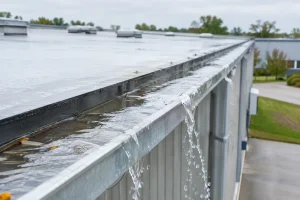
Drainage performance is one of the most common contributors to roof failure, yet it is often under-reported in standard inspection reports. Blocked outlets, inadequate falls, or poorly designed drainage layouts can compromise even a roof that appears in good condition.
Roof condition reports should clearly assess drainage paths, overflow provisions, and penetration detailing. Poorly sealed penetrations and interfaces are frequent sources of leak detection issues and long-term deterioration.
A qualified roof inspector evaluates how water moves across the roof, how penetrations interact with membranes, and whether defects could escalate under weather exposure. This level of insight helps identify issues early, reducing the likelihood of unplanned roof repairs.
Independent Roof Reports and Warranty Exposure
Warranties are often misunderstood or incorrectly relied upon. Many roof inspection reports fail to assess whether installation conditions, maintenance history, or modifications have compromised warranty coverage. An independent roof inspection considers how current roof condition aligns with warranty requirements.
Roof inspection and report documentation should identify where warranty exposure exists due to non-compliant installation, deferred maintenance, or undocumented alterations. This is especially important for commercial roof assets where warranty disputes can carry significant financial consequences.
Independent roof reports provide assurance by identifying these risks before failure occurs. This approach allows asset owners to plan corrective action strategically rather than reacting after warranty claims are denied.
Looking for a commercial-grade roof report built for planning, not patchwork?

Roof Reports as Capital Planning ToolS
When prepared correctly, a roof report becomes more than a snapshot — it becomes a planning tool. Roof inspection reports that include remaining service life assessments, defect prioritisation, and condition trends support long-term capital forecasting.
For portfolios across NSW, New South Wales, Queensland, and South East Queensland, consistent inspection and report methodology enables comparison across assets. This clarity supports budget forecasting, asset acquisition due diligence, and lifecycle planning.
Rather than triggering immediate repair decisions, a comprehensive roof report provides peace of mind by allowing owners to plan roof works based on risk, timing, and financial strategy.
Roof Inspection Reports in Insurance, Acquisition, and Dispute Prevention
Roof inspection reports play a critical role in insurance claims, pre-purchase inspections, and dispute resolution. An inspection report prepared independently and in accordance with Australian Standards carries greater credibility when relied upon by insurers or legal teams.
In acquisition scenarios, roof inspection reports provide assurance that the condition of the roof aligns with expectations. In dispute situations, independent roof reports help distinguish between workmanship defects, maintenance issues, and age-related deterioration.
Roof inspections provide clarity and reduce ambiguity a key reason why impartial, independent roof reports are increasingly relied upon across Australian commercial property sectors.
Why Independence Defines Report Quality
The value of a roof report is determined not by how much detail it contains, but by whether it is unbiased. Independence removes the commercial incentive to overstate defects or recommend unnecessary repairs.
An independent roof inspection focuses on inspection needs, not repair outcomes. It delivers insight rather than sales language, supporting quality assurance and informed decision-making.
This distinction is what separates a trade document from a professional inspection report designed for asset protection.
Book a roof inspection today
When a Roof Report Becomes a Risk Management Tool
A roof report becomes truly valuable when it supports broader risk management objectives. Budget forecasting, insurance exposure, acquisition strategy, and maintenance planning all rely on accurate, independent assessment.
Rather than reacting to leaks or visible damage, roof condition reports allow owners to assess potential issues before failure occurs. This proactive approach reduces disruption, protects asset value, and delivers clearer decision pathways.
When prepared by a reputable, independent inspector with national roof inspections expertise, a roof inspection and report becomes a strategic asset not an administrative formality.
Independent Roof Reports Built for Decision-Makers
Independent roof reports aren’t about pricing repairs — they’re about protecting assets. RIA provides independent roof inspection reports designed for decision-makers, not contractors, delivering clarity, assurance, and long-term value across commercial roof portfolios.
A building inspection looks at multiple elements of a property, often at a high level. A roof inspection, however, is focused solely on the roof system and how it performs as a protective barrier. While a building inspection may note visible issues, a dedicated roof inspection is designed to inspect roof components in detail, assess risk, and identify defects that could affect performance. This level of review requires specific roofing expertise and experience, particularly on complex commercial assets.
A residential roof inspection is typically designed for home buyers or homeowners and is limited in scope. Commercial stakeholders often require deeper assessment to support compliance, budgeting, and asset planning. While residential inspections can highlight obvious damage, they rarely inspect roof systems to the level needed for commercial risk management. Purpose-built inspections rely on specialist expertise and experience to deliver reliable insights for larger, more complex buildings.
To inspect a roof independently means the inspector has no involvement in repairs, installation, or maintenance services. This separation ensures findings are based solely on condition and performance, not on selling outcomes. Independent inspections rely on technical expertise and experience to assess risk objectively and provide credible reporting that stakeholders can rely on for decision-making.
Roof systems vary widely in design, age, and materials. Inspectors with deep expertise and experience can recognise early warning signs that may be overlooked during a general inspection. Their ability to inspect complex roof interfaces, workmanship quality, and drainage performance improves the accuracy of findings and reduces the chance of unexpected failure later on.
Yes. While combined inspections can seem efficient, they often dilute focus. A dedicated roof inspection allows the inspector to inspect roof elements thoroughly rather than treating them as a checklist item within a broader building inspection. This approach delivers clearer insights, stronger risk identification, and reporting that reflects genuine expertise and experience rather than surface-level observation.