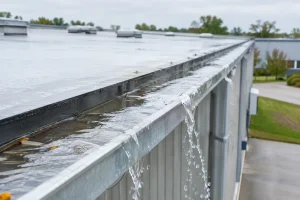




Fascia is often mistaken for a simple finishing element, but fascia on a house plays a far more critical role within the roofing system than many property owners realise. Sitting at the edge of the roof, fascia connects the roof, gutter, and soffit into a single functional system that manages water, protects the roof cavity, and supports long-term structural performance.
This article explains the true purpose of fascia, why fascia failure creates hidden roof and drainage risks, and how overlooked fascia issues can lead to water damage, gutter misalignment, and long-term structural deterioration.
Fascia and the Roof: Why Fascia Is a Critical Roof-Edge Component
Fascia is the vertical board fixed to the ends of the roof rafters or roof truss, running along the edge of the roof. While fascia is often associated with appearance, its primary role is functional. Fascia acts as a vertical barrier between the outside and the edge of the roof, forming the anchor point for the gutter system and protecting the roof’s structure from exposure.
On a roof, fascia connects multiple elements together. It sits closest to the gutters, runs behind the guttering, and helps direct water away from the roof and the interior of the building. Without sound fascia, the roofing system cannot manage water correctly, regardless of the quality of the roof tiles or roof decking.
From an inspection standpoint, fascia is a crucial component because it is where roof, gutter, and eave systems intersect. When fascia deteriorates, the impact is rarely isolated. Instead, it compromises drainage, affects roof integrity, and creates pathways for concealed moisture entry.
Fascia Board Explained: What the Fascia Board Actually Does
A fascia board is fixed directly to the roof rafters and supports the gutter along the roof edge. The fascia board also closes off the roof cavity, preventing pests, debris, and moisture from entering at the eaves of the roof.
Fascia boards made from different materials perform differently over time. Traditionally, fascia board elements were often made of wood or plywood. While timber fascia can provide strength, wooden fascia is vulnerable to rot when exposed to moisture. Once rot begins, the fascia board may lose its ability to hold the gutter securely, leading to drainage failure.
Modern fascia materials include aluminium fascia, vinyl fascia, PVC, and Colorbond steel. These materials are often selected because they don’t rot and require less maintenance. However, even strong material options can fail if water is not managed correctly or if the fascia board is damaged by water from overflowing gutters.
Hidden rot can turn minor fascia damage into major structural risk.
Roof Fascia and Gutter Alignment: Where Drainage Breakdown Begins
Roof fascia plays a central role in maintaining correct gutter alignment. The gutter is fixed directly to the fascia, meaning any movement, decay, or distortion in the fascia immediately affects the gutter system.
When fascia begins to rot or warp, the gutter may sag, tilt, or pull away from the roof edge. This causes water to overflow behind the gutter rather than flowing into it, leading to water damage along the eave, siding, and roof cavity. Over time, this breakdown allows water to penetrate areas that are not designed to get wet.
From a roof inspection perspective, gutter issues are often symptoms, not the root cause. The underlying issue is frequently deteriorating fascia that can no longer support the gutter system. Left unaddressed, this can escalate into widespread drainage failure across the roof.
Types of Fascia and Why Material Choice Matters
There are different types of fascia available, and each performs differently depending on exposure, climate, and maintenance. Types of fascia include timber fascia, aluminium fascia, vinyl fascia, metal fascia, and fascia products manufactured from polyvinyl chloride.
Wooden fascia, often made of wood or plywood, is susceptible to rot in harsh climate conditions, particularly where gutters overflow or leak. Vinyl fascia and PVC fascia resist moisture but can become brittle or distort if not installed correctly. Aluminium fascia and Colorbond fascia are widely used in Australian buildings due to their durability and resistance to corrosion.
However, material choice alone does not prevent failure. Fascia materials must be correctly integrated with the roof, soffit, and gutter to perform effectively. Even fascia that doesn’t rot can fail if water is allowed to sit against it or flow behind it repeatedly.
Appearance isn’t performance.
Fascia on a House and the Role of Soffit and Eaves
Fascia on a house works in conjunction with the soffit and eave to protect the roof’s structure. The soffit sits beneath the fascia, closing off the underside of the roof overhang and allowing ventilation into the roof cavity.
When fascia and soffit work together correctly, they prevent moisture ingress, regulate airflow, and protect roof rafters and truss elements. However, when fascia fails, water can enter behind the soffit, saturating insulation and timber components within the roof cavity.
Soffit and fascia failures are often concealed from view, especially on multi-storey buildings. From an inspection standpoint, early signs may include staining, peeling paint, or mould growth—indicators that water damage has already begun.
Purpose of Fascia Beyond Appearance
The purpose of fascia goes well beyond providing a finished look to the roof edge. Fascia acts as a vertical barrier that protects the roof’s eaves, supports drainage, and helps maintain the structural integrity of the roofing system.
Fascia also plays a role in keeping moisture out of the roof cavity. By sealing the edge of the roof, fascia prevents wind-driven rain from entering between the roof and the interior of the building. When fascia fails, water can track along roof rafters and into concealed spaces.
From a compliance and asset management perspective, fascia should be treated as a crucial component of the roofing system, not an optional trim. Ignoring fascia needs can shorten the life of the roof and lead to avoidable repair costs.
Fascia issues rarely exist in isolation.


Water Damage, Rot, and Long-Term Structural Risk
One of the most serious consequences of fascia failure is water damage that goes unnoticed. When fascia is damaged by water, rot can develop internally before external signs appear. This rot weakens the fascia board and can spread to roof rafters and the roof decking.
Once structural elements are affected, the cost of remediation increases significantly. What may start as a fascia repair can escalate into partial roof replacement if the roof’s structure is compromised.
In the Australian climate, intense rainfall events increase the risk of overflow and water ingress at the roof edge. Well-maintained fascia is essential for managing these conditions and protecting the building component at the roof perimeter.
Fascia Cover, Fascia Trim, and False Confidence
Fascia cover and fascia trim are often installed to improve appearance or protect older fascia boards. While fascia cover can shield the surface from weather, it does not resolve underlying issues such as rot, poor gutter alignment, or water tracking behind the fascia.
From an inspection perspective, fascia cover can sometimes conceal serious deterioration. A fascia may look sound externally while the timber beneath has lost its strength. This false confidence delays intervention and increases long-term risk.
Independent roof inspections assess fascia condition beyond appearance, focusing on how fascia interacts with the roof, gutter, and soffit systems.
Fascia and Major Roof Works: Restoration and Replacement
Fascia condition is particularly important during tile roof restoration or roof replacement projects. Installing a new roof without addressing deteriorated fascia creates a weak link in an otherwise upgraded system.
During roof replacement, fascia may need to be replaced or upgraded to suit new roofing materials, roof colour changes, or updated gutter profiles. New fascia ensures correct alignment and long-term performance.
Roofing contractors may focus on roof tiles and coverings, but independent inspectors assess whether fascia is fit for purpose before and after major roof works.
Book a roof inspection today
Why Independent Inspection Matters for Fascia Risk
Fascia failure often develops slowly and remains hidden until damage is extensive. Independent roof inspections identify early warning signs, assess how fascia interacts with the roofing system, and determine whether fascia is performing its intended function.
Unlike a roofer, an independent inspector has no incentive to upsell fascia products or replacement work. The focus is on factual assessment, risk identification, and long-term asset protection.
Call to Action: Protect Your Roof by Assessing Fascia Properly
Fascia is not just part of your home’s exterior—it is a crucial component of the roof edge system that protects drainage, structure, and long-term performance. When fascia fails, the damage is often hidden, expensive, and disruptive.
Roof Inspection Australia provides independent roof inspections that assess fascia, gutter alignment, soffit condition, and roof-edge performance as part of the entire roofing system. We don’t sell repairs or materials. We provide clear, unbiased reporting so you can make informed decisions.
If you manage or own a building and want confidence in the condition of your roof, engage Roof Inspection Australia for an independent assessment—before fascia failure becomes a structural problem.
Roof fascia boards form the edge of your roof and act as a barrier between the roof and the exterior of the building. Fascia is on a house to support the gutter system, protect the roof structure, and prevent water ingress into the roof cavity. A well-maintained roof fascia board ensures that rainwater is directed correctly and protects the home’s fascia from damage over time. During roof inspections, checking the integrity of roof fascia boards is critical for preventing hidden water damage and structural issues.
Larger fascia boards provide increased coverage along the roof edge, offering stronger support for gutters and better protection for the eaves. Home’s fascia that is oversized can help prevent water from overflowing into the gap between the roof and the exterior wall. Independent inspections often identify whether larger fascia has been correctly integrated with the roof, soffits, and roof tiles, ensuring the entire roofing system performs as designed without creating water damage risks.
Fascia comes in a variety of materials to suit different roof types and climates. Fascia boards made of timber are traditional but can rot if not maintained. Aluminium fascia, PVC, and Colorbond steel are popular modern alternatives that resist water damage and require less maintenance. Materials used for the home’s fascia should be selected with the roof’s eaves, gutter system, and overall roof colour in mind. Proper inspection ensures the material choice aligns with long-term durability and prevents hidden structural issues.
The gap between the roof and fascia is the space where the roof’s edge meets the fascia board. This gap must be carefully managed to allow ventilation and prevent moisture ingress. Improper gaps can lead to water damage behind the soffits or fascia boards. Inspectors focus on this gap during roof replacement or tile roof restoration projects to ensure the roof fascia boards and soffit and fascia components work together to protect the roof structure and gutter alignment.
Different types of fascia boards affect both the installation and long-term performance of roofing projects. During tile roof restoration or roof replacement, home’s fascia must integrate with roof tiles, soffits, and gutter systems to prevent water pooling and maintain structural integrity. Roof fascia boards made from timber, aluminium, or PVC each have unique installation considerations. Independent inspections ensure that the fascia boards installed during these projects are correctly sized, securely fixed, and coordinated with the roof colour and design for optimal protection.