


A leaking roof rarely starts as a budget line. It starts as a small defect no one tracked, a drain no one cleared, a warranty no one checked, or a contractor comment no one challenged. That is why a commercial roof maintenance plan matters. For asset managers, facility teams and property owners, the issue is not whether the roof will need attention. It is whether that attention is planned, evidenced and commercially controlled.
Too many maintenance plans are little more than a service schedule built around a contractor’s workload. That is not a strategy. It is procurement by habit. A proper plan should tell you what condition the roof is in, what is likely to fail next, what can wait, what cannot, and how to defend that position internally.
What a commercial roof maintenance plan should actually do
A roof plan is not just about keeping water out. It should reduce operational risk, support budget forecasting, improve contractor accountability and extend service life where extension is commercially sensible.
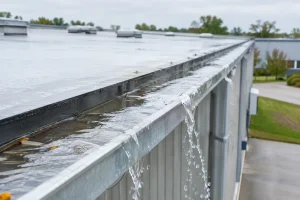
That sounds straightforward, but the quality of the plan depends on the quality of the diagnosis. If the starting point is wrong, the maintenance plan will be wrong as well. A roof that appears serviceable from ground level may already have membrane fatigue, failed laps, blocked drainage paths, ponding, deteriorated sealants or damage around plant platforms. None of that is managed properly by guesswork.
A useful commercial roof maintenance plan needs to be tied to actual roof condition, not assumptions based on age alone. Age matters, but age without inspection is a poor predictor. Some roofs fail early because of design defects, poor detailing or traffic damage. Others keep performing well past expected life because they were well built and properly monitored.
Start with condition, not with maintenance frequency
This is where many portfolios lose control. The default approach is to book six-monthly or annual maintenance visits and hope that regular attendance equals proper management. It does not.
Frequency only makes sense after condition is understood. A low-risk warehouse with limited penetrations and strong drainage may need a very different regime from a hospital roof carrying complex services and zero tolerance for water ingress. The same applies to schools, retail centres, logistics assets and government facilities. Roof complexity, occupancy sensitivity, access patterns, weather exposure and consequences of failure all change the plan.
An inspection-led approach gives you a baseline. That baseline should identify defects, likely causes, safety concerns, drainage performance, membrane or sheet condition, flashing integrity, previous repair quality and any signs of systemic failure. It should also separate cosmetic issues from genuine risks. Not every defect needs urgent money. Some do.
Without that line in the sand, maintenance becomes reactive spending dressed up as asset management.
The core elements of a commercial roof maintenance plan
A credible plan should be practical enough for facility teams to use and detailed enough for budget holders to trust. At a minimum, it should include a current condition assessment, defect register, risk ranking, recommended maintenance actions, likely timeframes and an outlook on repair versus replacement.
It should also capture roof-specific issues that often get missed in generic service reports. That includes drainage performance during rainfall events, compatibility of previous patch repairs, movement at joints, edge restraint issues, condition around penetrations, signs of moisture entry below the surface and defects created by other trades.
For larger assets or portfolios, the plan should go further. It should identify which works are operational maintenance, which are minor capital works and which indicate looming end-of-life expenditure. That distinction matters because it changes how decisions are funded, approved and staged.
A good plan also documents what should be monitored rather than repaired immediately. Not every defect needs a contractor tomorrow. Some need photographs, measurements and review after the next major weather cycle. Knowing the difference is where independent advice earns its keep.
Independent advice changes the quality of the plan
If the same party inspecting the roof also wants to sell the repair, you are not getting a neutral maintenance strategy. You are getting a sales pathway.
That does not mean every contractor recommendation is wrong. It means the commercial incentives are obvious and should be managed accordingly. On high-value assets, especially where defects are disputed or budgets are tight, independent assessment gives decision-makers leverage. You can test scope, challenge urgency, verify quantities and avoid paying for unnecessary works that do little to improve long-term performance.
This is particularly important when roof problems sit in the grey zone between maintenance, latent defect, warranty claim and capital replacement. Those boundaries are where poor advice gets expensive.
Roof Inspection Australia is built around that exact gap. No repairs sold. No product agenda. Just evidence, diagnosis and advice you can use to make defensible decisions.
How often should the plan be reviewed?
It depends on the asset, and that answer is not a cop-out. It is the truth.
A stable roof in good condition may only need formal review annually, with targeted checks after severe weather or major contractor access. A roof with known drainage issues, active leaks, ageing waterproofing or heavy service penetration may require more frequent review. Facilities with critical operations, such as healthcare, data, education or food-related environments, often justify tighter oversight because the cost of failure is not limited to roof repairs.
The review cycle should also respond to events. Significant storms, hail, rooftop plant upgrades, solar installations, access damage and end-of-defects periods all justify a fresh look. A static plan in a changing environment is not a plan. It is a file.
The budget question most owners get wrong
Many organisations ask, “What will roof maintenance cost this year?” That is too narrow. The better question is, “What level of expenditure reduces our total risk and prevents avoidable capital shock?”
The cheapest annual maintenance number is often the most expensive strategy over five years. Deferred cleaning leads to ponding. Ponding accelerates deterioration. Small failures become internal damage, business disruption, mould risk, contractor callouts and emergency works at premium rates. Then the board gets told the roof has suddenly failed. It usually has not suddenly done anything.
A commercial roof maintenance plan should therefore support staged budgeting. It should identify immediate works, short-term stabilisation, medium-term interventions and likely replacement horizons. This helps asset teams avoid the false choice between spending nothing and replacing everything.
For portfolio owners, the value is even clearer. Once roofs are assessed consistently, capital can be allocated by risk and consequence rather than by who shouts loudest after the next leak.
Why generic maintenance reports fail
Most generic reports are built to prove attendance, not insight. They note that gutters were checked, debris was removed and visible issues were observed. That may satisfy a contract. It does not necessarily protect the asset.
Commercial decision-makers need reports that show evidence, prioritise action and explain why the issue matters. If a flashing defect creates a low but increasing risk of moisture ingress, say so. If membrane blistering is present but stable, say so. If repeated patch repairs indicate broader failure rather than isolated defects, say so.
Clarity matters because roof decisions are rarely made by one person in isolation. Facility managers need technical support. Asset managers need budget logic. Procurement teams need scope clarity. Executives need confidence that the recommendation is proportionate and justified.
That is why the maintenance plan should be more than a checklist. It should be a decision tool.
What to watch on Australian assets
Australian conditions add their own pressure points. Intense UV exposure, thermal movement, storm activity, blocked box gutters, debris from surrounding vegetation and the wear created by rooftop services all shorten the distance between minor defect and major consequence.
Different roof types also fail differently. Metal roofs are often vulnerable at fasteners, laps, penetrations and drainage interfaces. Membrane systems can fail at seams, upturns, terminations and traffic-stressed areas. Roofs carrying mechanical plant, solar arrays or frequent maintenance access need closer scrutiny because the roof is no longer just a roof. It becomes a service platform, and that changes the wear profile significantly.
A maintenance plan that ignores those realities will understate risk.
The best plan is the one you can act on
There is no value in a technically impressive document that sits untouched because it is too vague, too complicated or too detached from procurement reality. The best commercial roof maintenance plan is specific, prioritised and commercially literate.
It tells you what to do now, what to monitor, what to budget for next, and where claims or contractor advice should be tested before money is committed. It gives you control over timing, scope and evidence. That is the difference between managing a roof and simply reacting to it.
If you are responsible for a high-value asset, the roof does not need optimism. It needs facts, priorities and a plan that stands up when the weather turns and the questions start.