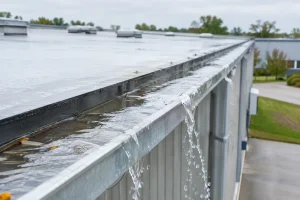




Asphalt shingle roofs appear on more commercial buildings across Australia than many realise — from schools and offices to mixed-use and heritage properties. Often chosen decades ago as a practical roofing option, these systems are now reaching critical points in their lifespan. Small defects can turn into major asset risks when the roof condition is misunderstood.
This article explains how an asphalt shingle roof performs on commercial assets, where risks hide, and why independent inspections matter before budgeting repairs or replacement. If you manage or own property with a shingle roof, this guide helps you make informed, risk-aware decisions.
Are Asphalt Shingle Roof Systems a Suitable Roof and Shingle Roof Option for Commercial Assets?
An asphalt shingle system began as a residential roofing material, but many low-rise commercial buildings adopted this type of roofing over time. You’ll find it on older offices, schools, and heritage sites where design style and budget influenced the original build. In some cases, owners selected it as a cheaper alternative to slate, metal, or concrete tile systems.
Suitability depends on roof pitch, climate exposure, and how the roof was designed to manage water. A steep shingle roof can shed water effectively, while a low-slope or flat structure increases risk. This type of roofing must match the building’s purpose, foot traffic expectations, and drainage design. Not every commercial property benefits from this roofing material long-term.
Another factor is how the system integrates with wall interfaces and cladding applications. Commercial assets often have complex penetrations and interfaces. A system that works on a simple structure may struggle on a larger facility. That’s why asset managers assess whether their current roof system remains a suitable option or a legacy design that now carries risk.
An independent inspection helps you understand the real state of your roof before problems escalate.
The Real Lifespan of an Asphalt Shingle Roof on a Commercial Roof
Manufacturer’s brochures often promote long lifespan expectations, but real-world performance varies. Weather, UV exposure from the sun, heat cycles, and storm activity all influence how asphalt systems age. In parts of Australia with intense climate conditions, shingles can melt slightly, become brittle, or lose their protective surface earlier than expected.
Maintenance history also plays a role. A roof that didn’t receive regular maintenance or timely minor repairs will rarely last as long as projected. Drainage design matters too. Poor falls or blocked outlets leave water sitting on the surface, which accelerates wear. Even a durable system under ideal conditions can fail early if the broader roof design works against it.
The range between best-case and worst-case lifespan can be wide. Some systems last decades, others far less. A professional assessment provides clarity on remaining service life rather than guesswork.
Common Problems Found on a Commercial Roof with Shingle Systems
Granule loss is one of the earliest warning signs. The asphalt surface begins to shed its protective layer, reducing UV resistance and weatherproof performance. Once this happens, the underlying material deteriorates faster.
Curling, cracking, and lifted edges often follow. Wind can catch loose sections, and a single displaced shingle may allow water beneath the layer. Moisture intrusion rarely stays localised — it can travel across plywood decking, insulation, and internal areas before appearing inside.
Flashing integration is another weak point. Interfaces around plant, sheet transitions, and penetrations must remain waterproof. When they fail, leaks develop quietly. What appears minor externally can affect large internal zones, especially on bigger properties.
These issues highlight why early detection matters. Inspections act as an early-warning solution that helps prevent escalating damage.
A condition assessment shows how much life your roof realistically has left.
Why Leak Detection on a Shingle Roof Is So Difficult
Water rarely enters and exits at the same point. It may travel along a membrane layer, move across timber or timber batten supports, and appear metres away from the source. This makes leak tracing on a shingle roof particularly challenging.
Hidden pathways inside the roof cavity can mask problems for months. By the time internal staining appears, the roof system may have multiple defects. Commercial facilities also contain services, ceiling voids, and insulation layers that conceal moisture paths.
A trained assessor looks at patterns, not just visible symptoms. Understanding how water behaves across different roofing types is essential for accurate diagnosis. Without that expertise, repairs often target the symptom instead of the root cause.
Repair or Replace? When a Shingle Roof Stops Being Viable
Not every aging roof needs full replacement. Targeted repairs can extend life when the system remains in fair condition. However, when deterioration becomes widespread, repeated patching may cost more over time than strategic replacement.
Overlaying new layers is sometimes considered, but this adds weight and can trap moisture. Structural design, batten spacing, and deck integrity must all be evaluated before making that decision. A like-for-like replace strategy is not always the best long-term move.
Data-driven decisions reduce wasteful spending. Knowing the true state of the roof allows asset managers to plan capital works instead of reacting to emergencies.
Get independent insights before problems escalate.
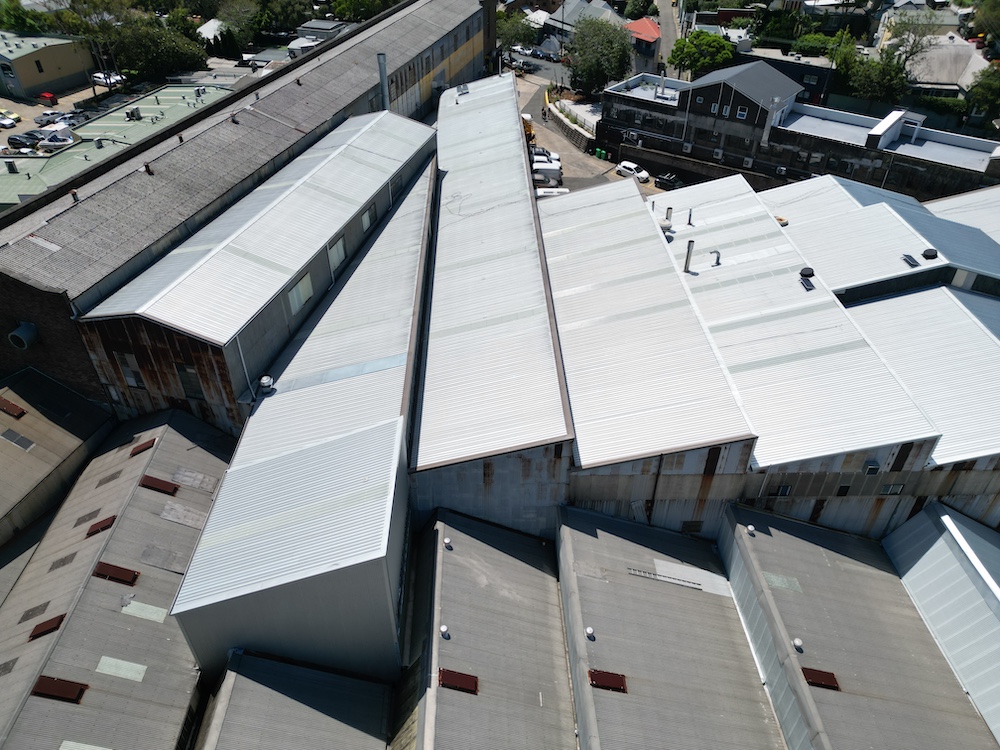
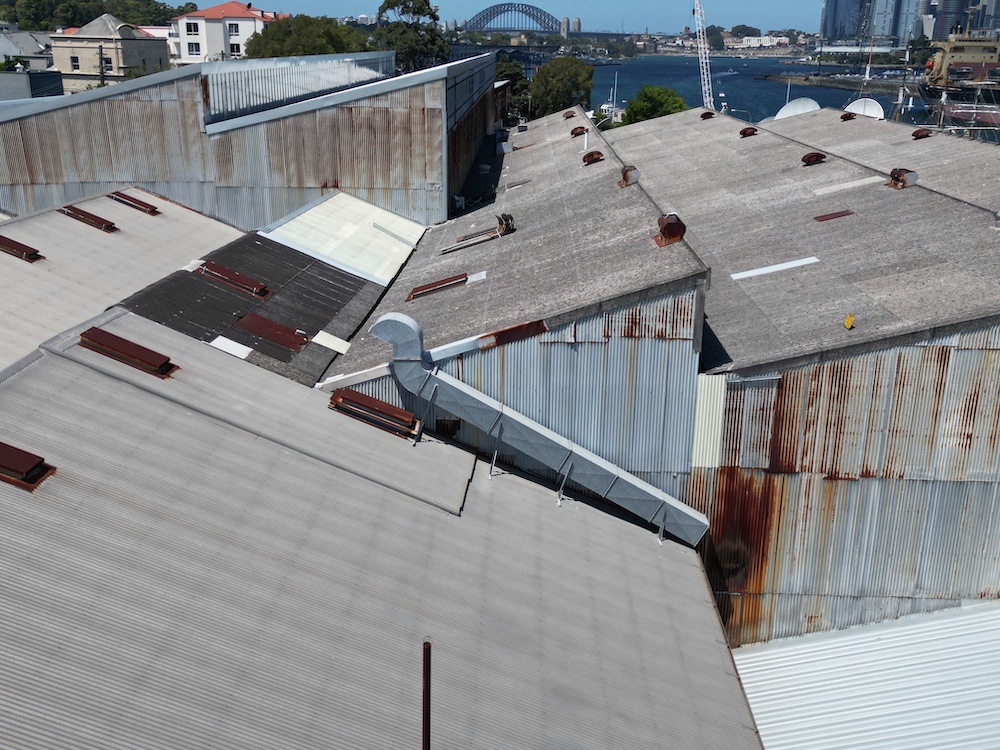
Why Independent Roof and Shingle Roof Inspections Matter
Contractors naturally focus on installation and replacement work. Their recommendations may align with their services. That doesn’t mean they’re wrong, but it does mean their perspective is sales-linked.
RIA offers independent assessments. We don’t install, repair, or sell roofing systems. Our role is to provide objective reporting on roof condition, risk, and lifecycle. This helps owners plan budgets and manage compliance without sales pressure.
An independent view supports better financial planning and asset protection. Decisions become evidence-based rather than reactive.
Who Should Book a Commercial Roof Inspection for a Shingle Roof?
Asset managers overseeing portfolios benefit from understanding system condition before issues disrupt tenants. Facility managers use reports to plan maintenance and avoid complaints.
Buyers conducting due diligence gain clarity before acquisition. Government bodies and schools often manage aging buildings where original systems still remain. Portfolio managers balancing multiple sites rely on consistent reporting to prioritise spend.
Any stakeholder responsible for building performance can benefit from independent insight.
Book a roof inspection today
When to Inspect a Roof with Asphalt Shingle Systems
Timing matters. Pre-purchase inspections reduce risk before contracts finalise. Pre-lease reviews protect both owner and tenant expectations.
Storm events, visible wear, or suspected leaks are clear triggers. Budget planning cycles also provide a smart time to assess condition. Planning works like solar installation or plant upgrades should always begin with a roof review.
Inspections at the right time prevent reactive spending and operational disruption.
Final Thoughts: Protecting Commercial Assets with the Right Roofing Decisions
An asphalt shingle system can perform well in the right context, but it requires informed oversight. Age, climate, installation quality, and maintenance history all shape performance. What worked decades ago may not suit today’s asset expectations.
Independent inspections give owners clarity. They reveal risks, remaining life, and practical next steps. That knowledge protects budgets, tenants, and long-term asset value.
Own or manage a building with an asphalt shingle roof?
A quality asphalt shingle roof is designed to handle extreme weather when installed correctly. The bitumen layer helps with water resistance, while proper nailing patterns and sealing reduce wind uplift risk. Performance still depends on roof design and maintenance.
Yes, asphalt shingles can add aesthetic appeal and beauty, especially on heritage-style or low-rise commercial properties. They come in a range of colours and profiles that can complement different architectural styles.
They are often seen as a relatively cheap and cost effective option upfront. Durability depends on climate, installation quality, and maintenance. On some commercial sites, other systems may deliver longer service life.
In some cases, a roofer may lay new shingles over tiles used as a base layer, but this depends on structural capacity and roof condition. It must be assessed case by case to avoid trapped moisture or uneven surfaces.
Yes, they are widely used in the USA and other markets on both wooden and synthetic roof structures. In Australia, their use is more selective, often on heritage or specialised projects where style and low maintenance are priorities.