



Many commercial buildings across Australia still have an asbestos roof or sections that contain asbestos. In many cases, the issue stays hidden until a leak, refurbishment, or compliance audit brings it to light. By then, the roof can become a legal, financial, and health concern for owners and managers.
This guide explains how asbestos in roof systems affects commercial assets, what risks to watch for, and how independent inspections protect your decisions. Property owners, asset managers, and facility managers gain clarity on compliance, condition, and risk — before small issues escalate.
An independent roof inspection gives you a clear way to know what is in your roof, how it is performing, and what to do next.
Why Asbestos Is Still Found in Older Roofs and Asbestos Roof Systems
Asbestos was commonly used in Australian construction because it is a strong silicate mineral with heat resistance and durability. Many roofing materials made from asbestos were installed before 1990, especially on warehouses, factories, schools, and retail sites. If a building was built before 1990, the roof may contain asbestos.
Common examples include asbestos cement sheets, corrugate panels, and fibro products. Asbestos cement roofing and asbestos cement sheeting were widely used in roof construction to insulate and protect structures from weather. Some roof insulation boards and wall-to-roof junctions also used asbestos-containing materials.
Many commercial owners simply do not realise their roof system may contain asbestos. Documentation is often missing, and visual checks alone cannot identify asbestos. The only reliable way to identify asbestos is through a structured inspection and assessment by specialists who understand asbestos in roofing materials.
Concerned about what’s in your roof?
The Real Health Risks and Cancer Concerns Linked to Asbestos in Roof Areas
The major concern with an asbestos roof is the release of asbestos fibres. When asbestos material is damaged, drilled, cut, or allowed to deteriorate, it can release fibres into the air. These fibres into the air can become airborne and people can inhale them without knowing.
Exposure to asbestos is linked to serious health problems. These include mesothelioma, lung cancer, asbestosis, and other asbestos-related conditions. Even low levels of repeated exposure can create major health and safety concerns. The health risks associated with asbestos are well documented and form the basis of strict Australian regulations.
It is important to understand that asbestos isn’t always dangerous if it remains undisturbed and in good condition. Non-friable asbestos, such as bonded asbestos cement, won’t pose a health risk when stable. Problems arise when works disturb the roof, when deterioration occurs, or when renovation projects start without proper checks.
When Asbestos in Roof Structures Becomes a Serious Problem
Not every asbestos roof requires urgent action. The real issue depends on condition, exposure risk, and future plans for the property. An asbestos roof in good condition that remains undisturbed may contain asbestos safely under a management plan.
Problems escalate when deterioration, cracking, or weather damage affects the roof surface. Over time, weather and ageing can cause sheets to become friable or crack around a fastener point. When that happens, harmful asbestos may be released.
Upgrades also change the risk profile. Installing solar, HVAC penetrations, or skylights can disturb asbestos-containing areas. Any plan to renovate, complete a refurbishment, or have the roof replaced increases the risk of exposure. This is where a professional assessment becomes critical.
Condition matters more than presence. A clear asbestos roof condition report helps owners prioritise actions based on real risk rather than assumptions.
Independent inspections reduce surprise discoveries and protect occupants from serious health risks.
Why You Shouldn’t Rely on Contractors to Identify Asbestos on Your Roof
Many contractors offer to check whether the material contains asbestos while quoting repairs or replacement. This creates a conflict of interest. If a contractor profits from removal or replacement, their advice may not stay fully objective.
Some may overstate risk to justify asbestos removal. Others may underplay concerns to win work quickly. Either scenario exposes owners to compliance and liability issues. You need to consider independence when asbestos is present.
Roof Inspection Australia (RIA) provides independent assessments only. RIA does not sell repairs, removal, or replacement. The focus stays on reporting, risk grading, and compliance clarity. That independence builds trust and supports better asset decisions.
What an Independent Asbestos Roof Inspection and Report Includes
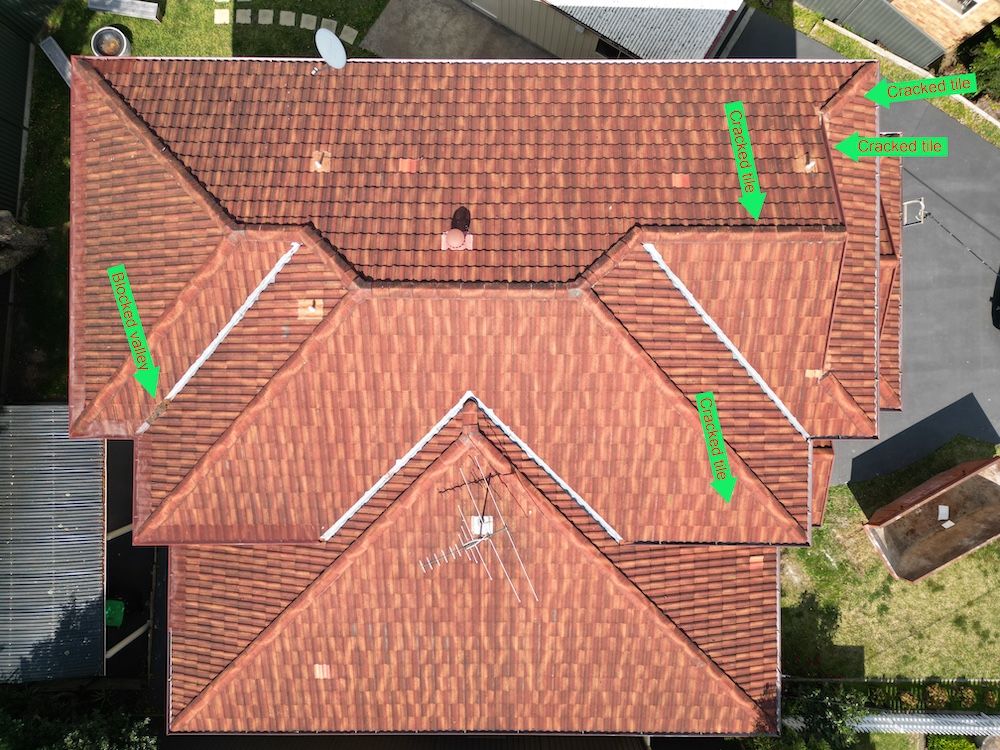
A professional asbestos roof inspection goes beyond a quick look. It assesses whether the material is asbestos-containing, its condition, and the risk of exposure. Inspectors assess whether the material is stable, deteriorating, or potentially hazardous.
A detailed asbestos roof report typically includes:
- Visual identification of suspect asbestos areas
- Notes on materials that may contain asbestos
- Condition grading and deterioration risks
- Photographic documentation
- Compliance alignment with WHS expectations
- Recommendations for management vs safe removal
- Guidance on safe handling using respirator and coveralls where required
RIA’s Asset Shield Reports™ provide structured, decision-maker-focused insights. They outline whether the roof is asbestos-free in parts, where asbestos products exist, and how to manage risk of exposure.
Know your risk before you plan works
Who Should Book an Asbestos Roof Inspection for Their Roof
Commercial asbestos roof issues affect more than building owners. Multiple stakeholders carry responsibility for safety and compliance.
High-value users include:
- Asset managers overseeing portfolios
- Facility managers responsible for safety
- Property owners planning upgrades
- Developers assessing acquisitions
- Government and education bodies managing public assets
Older roofs on commercial sites and even some older homes converted to offices may contain asbestos. Any owner responsible for occupant safety should verify roof composition. The only way to know is a professional inspection.
If your building was built before 1990, proactive checks support health and safety obligations and protect asset value.
When to Inspect a Roof for Asbestos Roof Compliance
Certain situations create clear triggers for inspection:
Before Purchase
Due diligence inspections reveal whether the roof system includes asbestos fibro or other asbestos-containing elements.
Before Roof Works
Any work that could disturb the roof — penetrations, upgrades, repairs — increases risk.
Lease Transitions
New tenants often require compliance documentation.
Compliance Audits
Regulators and insurers may request asbestos roof compliance records.
Portfolio Reviews
Large owners reviewing older roofs benefit from structured reporting.
A professional inspection helps assess whether the material is stable, whether the roof remains in good condition, and what management steps apply. This protects against unexpected shutdowns or emergency responses.
Book a roof inspection today
Managing Asbestos Roof Risk Without Panic
Finding asbestos in your roofing does not automatically mean full removal. Many asbestos roof systems stay safely managed for years. The priority is understanding condition, location, and likelihood to release asbestos fibres.
A structured asbestos roof management plan reduces risk while avoiding unnecessary cost. It helps track deterioration, schedule reviews, and maintain safe occupancy. This approach supports long-term asset performance.
What creates problems is uncertainty. Acting without data leads to overreaction or dangerous delays. Independent insight gives clarity and control.
Nationwide Independent Support for Commercial Roof Decisions
RIA works with REITs, developers, government bodies, and commercial owners across Australia. Every inspection stays independent, focused on facts, and aligned with compliance expectations.
RIA does not complete asbestos removal or repair works. That separation protects objectivity. Clients receive practical guidance without sales pressure. Reports help prioritise budgets, manage liability, and plan capital works.
Yes. Asbestos fibres can become airborne when roofing materials deteriorate, crack, or are damaged during works. Once airborne, they are easy to inhale and difficult to detect, which is why inspections and condition assessments are important for commercial properties.
Asbestos can release fibres when the material ages, weathers, or is physically damaged. Drilling, cutting, or high-pressure cleaning a roof can also trigger fibre release, increasing risk for occupants and contractors.
Asbestos used to be popular in roofing because it added strength, fire resistance, and insulation. Many buildings constructed before 1990 still have roofing components that contain asbestos due to these past building practices.
Disturbing asbestos is one of the main causes of exposure. Activities like repairs, penetrations, or renovations can break the material and release fibres. Proper inspections help identify risks before any work begins.
An asbestos roof becomes a health hazard when fibres are released and inhaled. If the material is in good condition and left undisturbed, risk is lower. A professional inspection helps determine its condition and the safest next steps.