
Metal roofing is often selected for its durability, attractive appearance, and long-term performance. A metal roof can outperform many traditional roofing systems — but only when installation aligns precisely with design intent, material behaviour, and manufacturer specification. Once installers leave site, inspectors are often the first to see how metal roofing installation actually performs under real conditions.
This article explains why installation of metal systems is where most roof failures begin. Rather than outlining how to install a sheet or panel, it exposes what inspectors find after a new metal roof is handed over. Asset managers, developers, and project teams will gain insight into why installation risk, not material choice, determines whether a roof succeeds or fails.
Why Metal Roof Systems Fail After Installation
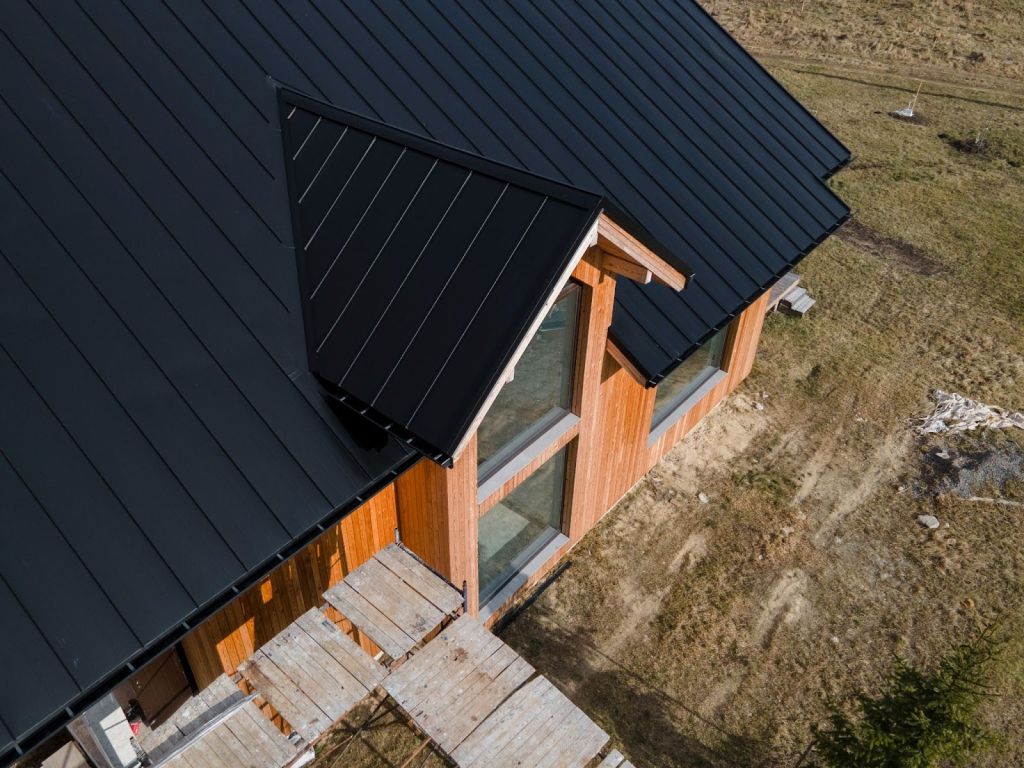
A roof constructed with metal sheets and steel components behaves very differently to other roofing materials. Thermal movement is one of the most underestimated factors. Metal expands and contracts across every panel, crest, lap, and joint. When installation fails to allow controlled movement, stress transfers to fasteners, sheet edges, and flash points, creating distortion that compromises water tightness.
Inspectors frequently identify failure where sheet metal is laid without sufficient allowance for movement across the roof deck. Panels that appear secure on day one begin to pull against fix points as temperatures shift. Over time, screws loosen, sealant degrades, and moisture tracks beneath sheets. This is not an installation issue visible from the ground — it emerges months or years later as leaks and corrosion.
Drainage transitions also expose weaknesses in installation of metal systems. Poor alignment between sheet profiles and gutter interfaces can cause rainwater to backtrack under panels. Where roof slope, lap direction, or end of the sheet detailing is incorrect, inspectors see moisture accumulation beneath underlayment, leading to rust on steel components and reduced longevity of the roof system.
Catch roof stress and drainage issues early with an independent inspection.
Common Installation Defects Inspectors See on Metal Roofs
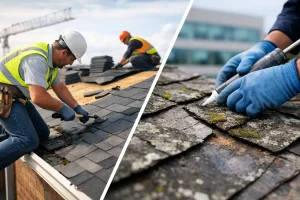
After installers leave site, inspectors routinely document defects that stem from how metal roof panels were installed rather than from the materials themselves. Over-tightened fasteners are among the most common findings. When a screw is driven too hard into steel or sheet metal, it crushes the profile crest, splits washers, and creates a direct moisture path through the roof sheeting.
Incompatible materials are another frequent issue. Metal roofs often interact with copper, foam closures, sealants, and adjacent components. Where compatibility is overlooked, inspectors identify accelerated corrosion caused by atmospheric exposure and material reaction. These defects often appear near fascia interfaces, wall cladding transitions, and chimney penetrations.
Incorrect handling during installation also creates hidden risk. Sheets on the ground that are dragged, cut with inappropriate tools such as tin snips, or laid without gloves often sustain micro-damage. These imperfections may not be visible once the panel is attached, but they become corrosion initiation points that compromise durability across the roof.
Reduce disputes and unexpected repair costs with an independent inspection.
Metal Roofing Warranties and Installation Risk
Metal roofing warranties are rarely voided by material failure alone. Inspectors consistently find that installation non-conformance is the trigger. Manufacturers specify exact requirements for fastener type, spacing, sheet overlap, underlayment use, insulation placement, and ventilation. When installation of metal does not conform, warranties quietly unravel.
Many installers assume that once a metal roof is fixed and sealed, performance is assured. Inspectors, however, see how minor deviations — incorrect lap direction, missing barrier layers, or insufficient seal at flash points — create long-term exposure. These defects may not cause immediate leaks but lead to condensation beneath panels and moisture retention within the roof deck.
When warranty claims arise years later, inspection reports often show that installation defects existed from day one. Because inspections were not carried out during installation, there is no professional documentation to demonstrate conformity. Asset owners are left absorbing repair costs that could have been prevented through independent inspection during metal roofing installation.
Why Independent Oversight Matters During Metal Roof Installation
Independent inspection during installation is not about supervising installers or dictating how to fix a panel. It is about identifying risk as it forms. Inspectors review how sheets are laid, how fasteners are applied, how insulation and underlayment are positioned, and how components interact across the roof.
Inspectors also assess whether the installation aligns with roof design intent. Curves, slopes, and complex profiles require precise application. Where metal panels are forced to fit without proper measure or adjustment, inspectors identify stress points that will later distort the roof surface and compromise water tightness.
By engaging independent oversight during metal roofing installation, defects are identified while they are still accessible and correctable. This approach protects warranties, reduces maintenance exposure, and prevents costly remediation. It transforms installation from a construction task into a controlled risk process.
Book a roof inspection today
Final Thoughts
RIA provides independent inspection and oversight during metal roofing projects to ensure defects are identified before they become warranty disputes or capital failures. Our inspections focus on installation risk, material behaviour, and long-term performance — not repair sales or contractor supervision.
If you’re planning or delivering a metal roof installation, engage RIA to protect your asset from day one.
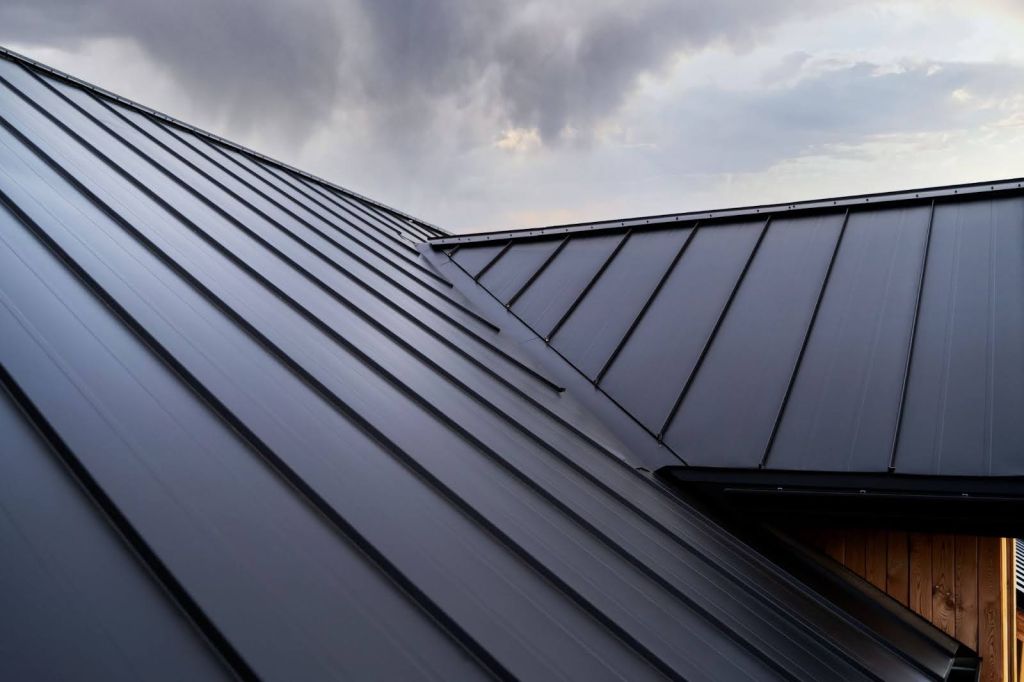
Proper side-lap on metal roof sheets is crucial to prevent water ingress and maintain structural integrity. Inspectors often check how sheets overlap at the joints to ensure a roof to prevent leaks. Poorly executed side-laps can compromise the exterior protection of the building and shorten the lifespan of metal roofing. Expert advice is recommended for evaluating whether the lap conforms to manufacturer specifications.
Walling applications that connect to a metal roof require careful integration to avoid gaps that let moisture underneath the roof sheets. Inspectors evaluate how corrugate panels meet walls and whether proper insulate measures are in place. This detail is crucial for maintaining a weather-tight exterior and ensuring long-term durability. Following professional guidance can prevent issues with flashing and sheet alignment.
The ridge is a high-risk area for water penetration. Inspectors check the fastening, nail placement, and sealing underneath the ridge capping. Correct detailing ensures that the roof to prevent leaks functions properly and enhances reflective performance for heat management. Expert advice is vital to confirm that ridge installation aligns with the overall metal roof design.
Insulate materials must be compatible with metal roofing to avoid condensation and corrosion. Inspectors look at how insulation sits underneath the roof sheets and around penetrations. Proper insulation is crucial for energy efficiency and preventing moisture damage. Following guidance from an expert ensures the insulation does not interfere with the roof to prevent water ingress.
Regular checks of exterior metal roof components, including corrugate, ridges, and walling applications, help detect problems before they escalate. Experts can recommend repairs or adjustments, such as re-nailing sheets or sealing gaps underneath panels. Following professional guidance is crucial to protect the lifespan of the roof and ensure roof to prevent structural and water-related failures.