



Silicone roofing has become a popular choice for commercial buildings due to its flexibility, waterproofing properties, and ability to extend the life of roofing materials. However, while silicone roofing can perform exceptionally well in certain applications, it also presents risks if applied incorrectly or exposed to conditions outside its design parameters.
This article explains what silicone roofing is, where it is commonly used, typical failure modes inspectors identify, and the warranty and application risks associated with these systems. For building owners, facility managers, and asset managers, understanding silicone roofing from an inspection perspective can prevent hidden water damage and costly roof issues before they escalate.
What Is Silicone Roofing and How It Protects Roofs
Silicone roofing is a flexible coating system applied over existing roofing surfaces to create a waterproof seal. The product can be applied over metal, cement sheeting, tile, or concrete roofs, forming a durable layer that protects the substrate from moisture and UV exposure. Roof and gutter silicone systems are often chosen for their translucent or grey finishes, which allow light reflection and contribute to roof longevity.
The key feature of silicone roofing is its elasticity. The material expands and contracts with temperature fluctuations, helping prevent cracks and water ingress in roof sheets or tile roofs. Inspectors note that silicone is a neutral cure product, meaning it does not release corrosive acetic acid, which can damage adjacent metal components, flashings, and gutters.
While silicone roofing provides excellent adhesion and waterproof seal, its effectiveness depends on correct surface preparation. The roof must be clean, free of dust, oil, or debris, and sometimes primed to ensure maximum adhesion. Improper preparation is a common cause of failure observed during independent roof inspections.
Silicone roofing only performs as well as its preparation.
Where Silicone Roofing Is Commonly Used in Commercial Buildings
Silicone roofing is frequently applied to flat roofs, metal roofs, tile roofs, and cement sheeting on commercial buildings. It is particularly effective for premium roof applications where existing substrates show minor cracking or wear but replacement would be costly. Roof and gutter silicone is also used for sealing joints, flashings, and roof penetrations.
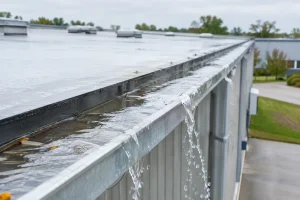
Gutter silicone is applied along the edges where gutters meet the roof to create a water-tight seal, preventing leaks that can compromise the roof’s structural integrity. Inspectors pay close attention to these areas because poor adhesion or joint failure here can lead to hidden moisture ingress under roof sheets or behind cladding.
Another common application is as a protective coat on roof tiles or concrete surfaces. The translucent or grey silicone coat provides UV protection while maintaining flexibility. However, the roof must be in sound condition before application—silicone cannot compensate for structural defects in roof sheets or flashings.
Typical Failure Modes Observed by Roof Inspectors
Even with proper application, silicone roofing can fail due to environmental exposure, poor substrate preparation, or incorrect installation. One common failure is loss of adhesion, where the silicone fails to bond to the substrate because the surface was dusty, oily, or not primed. This can lead to water pooling and eventual leaks.
Another frequent issue is silicone cracking or delamination. While silicone is flexible, extreme or sustained mechanical stress, UV exposure, or movement in the roof deck can cause splits. Inspectors often identify these cracks during routine roof inspections as early signs of water ingress risk.
Gutter silicone failures are also a common concern. If gutter silicone is not applied in a continuous bead or if joint widths are inconsistent, water can bypass the sealant and damage the fascia or soffit below. Inspectors check these joints for robustness and adherence to ensure the roof and gutter system remains watertight.
Gutter silicone failures often stay hidden until damage spreads.
Warranty and Application Risks in Silicone Roofing
Silicone roofing warranties often come with strict conditions that can be overlooked. The warranty typically assumes that the substrate was sound, clean, and correctly prepared. If an inspector finds silicone applied over damaged tiles, poorly cleaned metal, or contaminated concrete, the warranty may be voided.
Application risks include insufficient thickness, incomplete coverage, and poor curing conditions. Silicone roofing requires specific environmental conditions—extreme humidity or rain during application can compromise adhesion. Inspectors pay attention to areas where rainwater flows heavily, roof flashings, and roof penetrations, as these locations are high-risk for warranty issues and leaks.
Another consideration is the use of neutral cure silicone versus other types. While neutral cure products are compatible with metals like aluminium and stainless steel, acetic-based products can corrode metal flashings and fasteners over time. Independent roof inspections check the type of silicone used, ensuring it is suitable for the roof and gutter components it contacts.
Inspection Focus: What Roof Inspectors Look For in Silicone Roofing
Independent inspectors focus on the integrity of silicone roofing beyond its appearance. Key areas include:
- Surface adhesion: Ensuring the silicone is fully bonded to the substrate without voids or blisters.
- Joint integrity: Checking gutter silicone and roof penetrations for continuous, water-tight seals.
- Surface cracks or delamination: Identifying areas where thermal expansion or mechanical stress has compromised the coat.
- Substrate condition: Confirming the underlying roof tiles, metal sheets, or cement sheeting were structurally sound prior to application.
- Coverage consistency: Ensuring the coat thickness is uniform across high-stress or high-water-flow areas.
Inspectors also evaluate long-term exposure effects such as UV degradation, ponding water, and expansion/contraction in roofing materials. Their reports inform facility managers whether the silicone roofing system is performing as intended or requires corrective attention before leaks or damage escalate.
Small silicone defects can lead to major roof issues.

Common Roof Components Where Silicone Roofing Is Applied
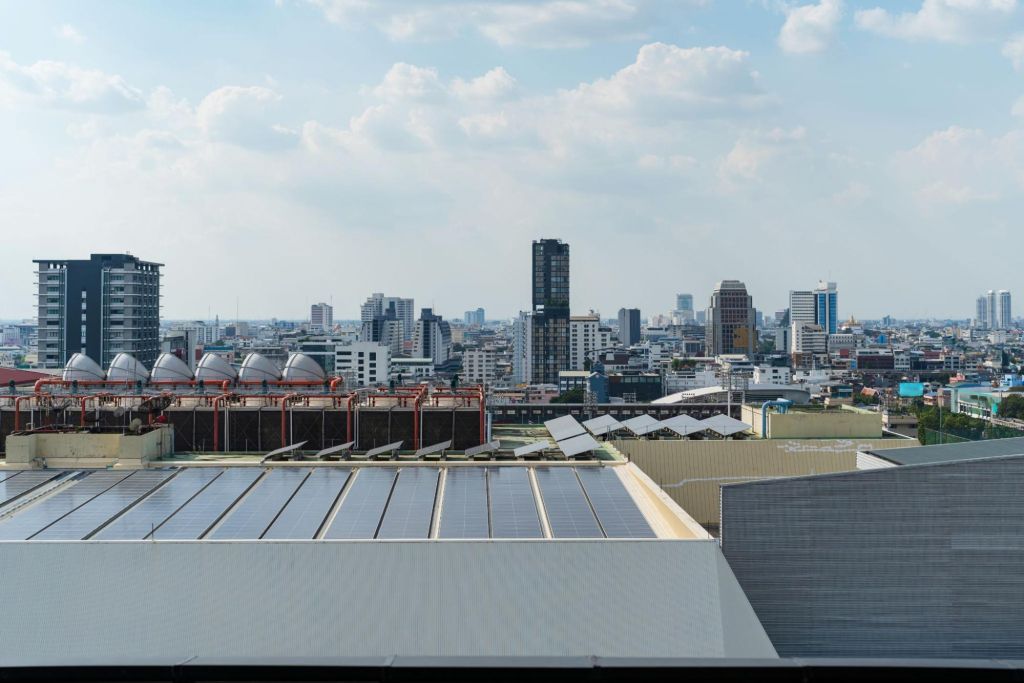
Silicone roofing is applied to multiple commercial roof components, each with unique inspection requirements:
- Roof sheets: Metal, cement, or tile surfaces coated with silicone must be checked for adhesion and cracks.
- Gutters: Gutter silicone seals joints and edges to prevent overflow and damage to fascia and soffits.
- Flashings: Silicone is used to reinforce flashings around vents, skylights, and chimneys, ensuring a water-tight seal.
- Joints: Expansion joints, ridges, and abutments are high-risk areas where inspectors check for gaps, cracks, or blistering.
The inspection perspective is critical because silicone roofing may appear intact on the surface, but water can penetrate poorly bonded areas, creating hidden roof damage.
Best Practices for Maintaining Silicone Roofing
While RIA does not sell products, understanding maintenance from an inspection perspective helps protect roofs. Roof inspectors recommend periodic assessments of adhesion, joint integrity, and surface condition. Debris removal, roof cleaning, and inspection of gutter silicone beads are essential to ensure the system continues to perform.
Inspections also focus on the effects of roof colour, UV exposure, and environmental conditions. Lighter translucent coatings may reflect heat and UV better, but grey or darker coatings can degrade faster in high-sun climates. Inspectors track these effects to anticipate maintenance needs before failures occur.
Book a roof inspection today
Risks to Watch: Hidden Problems and Early Warning Signs
Early warning signs of silicone roofing failure include small blisters, discolouration, minor cracks, and gaps in gutter silicone. Inspectors also check around roof penetrations, roof flashings, and areas where the coat has thinned due to wear or ponding water.
Other risks include improper surface preparation, incorrect product selection, and unreported warranty conditions. Roof and gutter silicone failures often go unnoticed until water enters the roof cavity, causing hidden structural or material damage. Independent inspections help identify these risks early, protecting long-term asset value.
Ensure Your Silicone Roofing Is Performing as Intended
Silicone roofing can extend the life of commercial roofs when applied correctly, but hidden failures are common and costly. Independent roof inspections evaluate the adhesion, joint integrity, and overall condition of silicone coatings across roof sheets, flashings, and gutters.
Roof Inspection Australia provides impartial inspections and detailed reports for facility managers, asset owners, and developers. We do not sell products or repairs—our focus is giving you clarity on roof condition, potential risks, and the performance of roof and gutter silicone systems. Protect your roof before small issues become expensive structural problems.
Paint can sometimes be applied over silicone roofing, but inspectors note that it depends on the type of silicone and its surface condition. Many silicone coatings are UV resistant and designed to remain flexible, so paint adhesion can be challenging without proper primer. Applying paint incorrectly can compromise the waterproof seal and reduce the durability of the roof. Roof inspections often assess whether painted silicone has caused cracks, gaps, or reduced adhesion that may lead to water ingress.
Selleys roof and gutter silicone is a neutral-cure sealant designed for sealing gaps and joints in roof and gutter systems. Inspectors often encounter this product during roof inspections, checking that gutter silicone is a neutral formula to prevent corrosion of metal flashings, colorbond® roofing, or aluminium gutters. Its robustness and UV resistant properties make it suitable for external applications, but incorrect application or insufficient thickness can create failure points that require repair.
PVC gutters or fascia components interact differently with silicone compared to metal or colorbond® surfaces. Inspectors check that gutter silicone is a neutral product to ensure proper adhesion and long-term performance on PVC. Incorrect caulking or insufficient primer can reduce seal integrity, potentially allowing water to leak and stain surrounding fascia or external cladding. Proper inspection helps maintain the durability of both silicone and PVC components.
Colorbond and colorbond® metal roofs are widely used in commercial and residential buildings. When applying silicone sealant to these surfaces, inspectors confirm that gutter silicone is a neutral formula to prevent chemical reactions that could stain or damage the metal. UV resistant and robust silicone sealants help maintain waterproofing and durability, but poor preparation or missed gaps often lead to leaks and the need for roof or gutter repair.
Primer plays a critical role in ensuring silicone adhesion, especially on external surfaces like metal, colorbond®, or PVC. Inspectors look for signs that a primer was used correctly to prevent the silicone from failing, peeling, or losing flexibility. Proper use of primer improves caulk bonding, maintains UV resistant performance, and prolongs the durability of roof and gutter silicone applications, reducing future repair requirements.