

Government Facility Roof Assessment: Requirements, Qualifications, and Process
Request a Roof Inspection
What Are the Specific Requirements for a Government Facility Roof Assessment?
A government facility roof assessment operates within a compliance framework that combines building code obligations, work health and safety requirements, asset management standards, and, depending on the jurisdiction, specific government asset management policies.
Building Code and Australian Standards compliance. As a building envelope risk assessment and advisory, the assessment must reference the National Construction Code and applicable Australian Standards. For roof systems, the relevant standards include AS 4654 (waterproofing membranes), AS/NZS 1562 (metal roofing), and AS/NZS 4200 (pliable building membranes). The report must cite specific NCC clauses and AS numbers, referenced from the Australian Building Codes Board.
Work Health and Safety requirements. Access to government facility roofs must comply with the Work Health and Safety Act 2011 and relevant state-based WHS regulations. A site-specific Safe Work Method Statement is mandatory, and government facilities frequently require additional security clearance.
Asset management reporting standards. For federal government facilities, the International Infrastructure Management Manual (IIMM) provides the framework for asset condition assessment and lifecycle reporting. The report must be structured to feed these frameworks, with condition grading, remaining service life estimates and prioritised recommendations, as roof asset audits and lifecycle planning the asset team can act on.
Documentation and record-keeping. Government asset management requires a higher standard of documentation than private sector work. Reports must be formally authored, include inspector credentials, reference the methodology used, and be suitable for submission to asset registers, audit processes and procurement, as independent roof asset intelligence the agency can rely on. This is why generic commercial inspection firms often struggle with government work: the technical assessment may be competent, but the reporting framework, documentation standards and governance compliance are a different discipline entirely, and one that a proper building envelope risk assessment and advisory is built around.
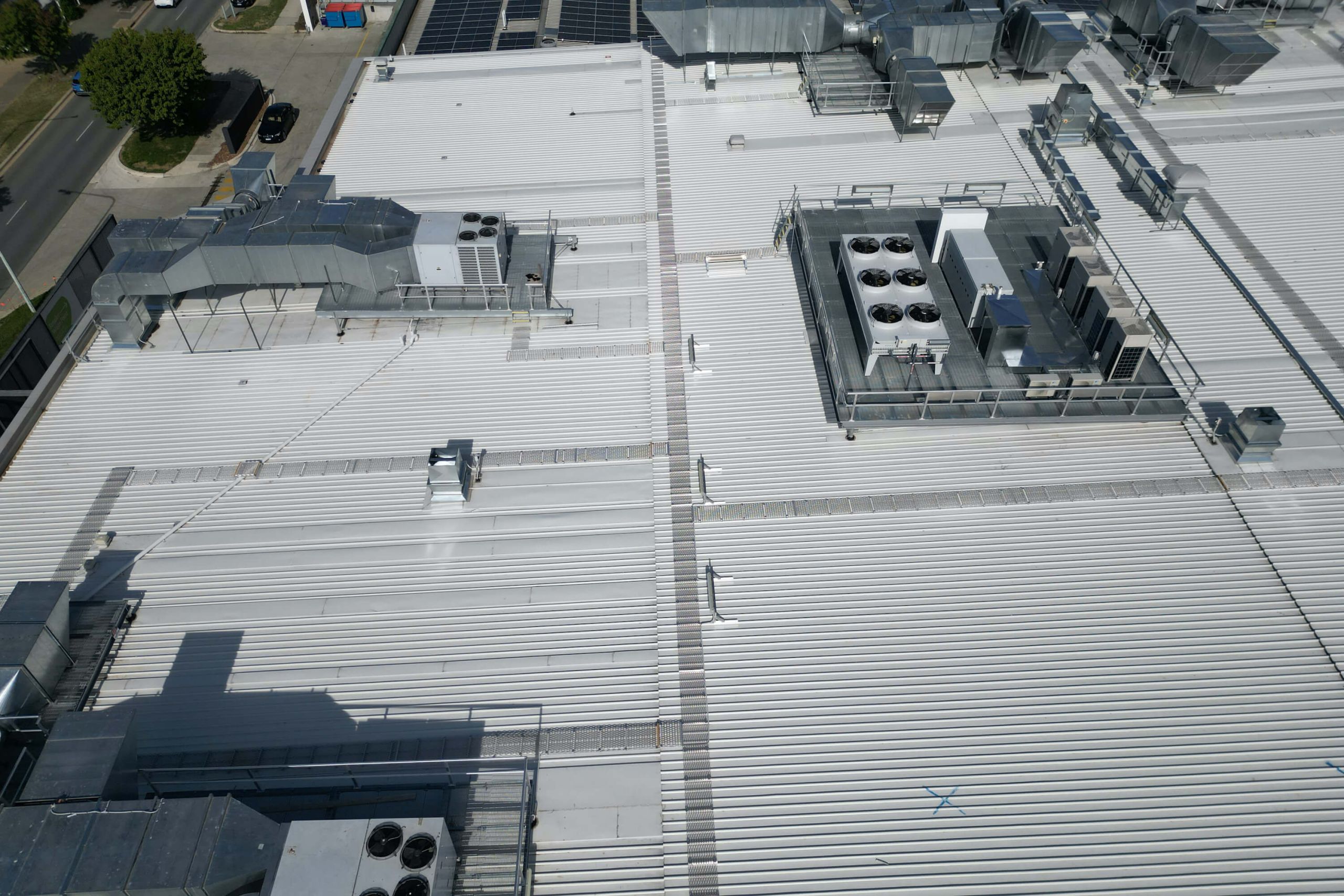
Which Asset Management Frameworks a Government Roof Assessment Must Feed
Government asset managers do not work to a generic standard. They work to a named framework, and the assessment has to feed the right one. A government facility roof assessment should be structured to align with the framework governing that asset:
- The International Infrastructure Management Manual (IIMM) for condition grading and lifecycle reporting across federal and many state assets.
- Victoria’s Asset Management Accountability Framework (AMAF), whose components are mandatory, and the Rolling Facilities Evaluation (RFE) that assesses every Victorian government school on a five-year cycle.
- ISO 55000 asset management principles, which underpin council and local government asset frameworks.
- The Commonwealth Property Management Framework for Commonwealth-owned and leased property.
- State-specific condition-assessment guidelines, such as the Queensland Government priority-ranking scale for building condition.
A report that plugs directly into these frameworks, as evidence-based roof consulting for high-value assets, is worth far more to an asset manager than a generic inspection, because it becomes usable evidence for audit, budget submissions and capital planning without rework. That alignment is the difference between a report and strategic roof asset management, and it is the core of our roof asset advisory and risk management service for government.
Who Is Qualified to Perform a Government Facility Roof Assessment?
Government procurement teams should not accept any inspector who simply holds a trade licence and an ABN. The qualification requirements are more specific, and for good reason.
Relevant trade credentials: a licensed roof plumber, licensed builder, or qualified building inspector with demonstrated commercial roofing experience, current and verifiable in the relevant jurisdiction.
Professional indemnity and public liability insurance: government procurement universally requires evidence of appropriate cover, typically $5 to 10 million for each. Underinsured inspectors create liability exposure for the agency.
Prequalification or approved supplier panel status: many agencies require contractors and consultants to be prequalified before engagement. Roof Inspection Australia holds CM3 prequalification, which supports engagement through a range of government procurement frameworks.
Demonstrated experience with government assets: schools, hospitals, courthouses, defence facilities, community centres and public housing have specific requirements around security, operational sensitivity and occupant management that a general commercial inspector may not be equipped for.
Working with Children Check and facility-specific clearances: for assessments at schools, childcare or health facilities, inspectors may be required to hold current clearances, verified before access is granted. We carry all required credentials, clearances and insurance for government facility work, and our reports are built as evidence-based roof consulting for high-value assets that satisfy the governance frameworks government asset managers operate within.

How to Prepare a Building for a Government Facility Roof Assessment
Preparation at the facilities management level significantly improves the efficiency, accuracy and completeness of a government roof assessment. Inspectors can only assess what they can access, and government facilities often have access constraints that require advance coordination.
Compile existing documentation: as-built drawings, previous inspection reports, maintenance records, warranty documentation and known repair history. Coordinate access and permits: government facilities frequently require advance notice for roof access, security clearance and formal permit-to-work documentation. Notify building occupants where internal access is required. Identify access constraints such as locked roof hatches, restricted plant rooms, fall protection anchor status, asbestos-containing materials or active construction zones, so the building envelope risk assessment and advisory can be scoped safely. Confirm insurance and WHS documentation before access is granted.
A well-prepared facility assessment produces better data, costs less in time, and generates a report immediately usable for asset management purposes, feeding directly into capital planning support for roofing assets. Inadequate preparation leads to return visits, incomplete assessments and reports that require supplementary work.
Ready to Get Strategic About Your Government Facility Roof?
Don’t wait for a leak or a lawsuit. Get an independent government facility roof assessment and take control of your roofing risk, budget and reputation. Contact Roof Inspection Australia today.
What Is the Procurement Process for a Government Facility Roof Assessment?
Government procurement follows a more formal path than private engagement, and understanding it prevents delays. For lower-value assessments, agencies may engage a prequalified supplier directly or seek a small number of quotes. For larger programmes, engagement runs through approved supplier panels, formal requests for quote, or open tender, with evaluation against capability, compliance and value criteria rather than price alone.
Because Roof Inspection Australia holds CM3 prequalification and carries the required insurance and clearances, we can be engaged through the frameworks agencies already use. Our reporting is structured to survive audit and to feed capital planning support for roofing assets at the next budget submission, which is where strategic roof asset management and roof asset audits and lifecycle planning turn a single assessment into a defensible capital position.
Why Independence Matters More for Government Facility Roof Assessments
In the private sector, a conflicted inspection costs an owner money. In the public sector, it costs public money and public trust. A contractor who assesses a government roof while hoping to win the repair or replacement has every reason to over-recommend, and that recommendation is spending taxpayer funds.
Independence removes the conflict. Because we do not sell or carry out the works, our government facility roof inspection and assessment reflects the actual condition and the actual risk, which is exactly what an asset manager needs to defend a decision at audit, as roof asset advisory and risk management rather than a repair pitch. The NSW Building Commission audits government roof projects, and a documented independent national roof inspection history is precisely what demonstrates due diligence if a dispute with a contractor arises later, backed by independent roof asset intelligence with no agenda attached.

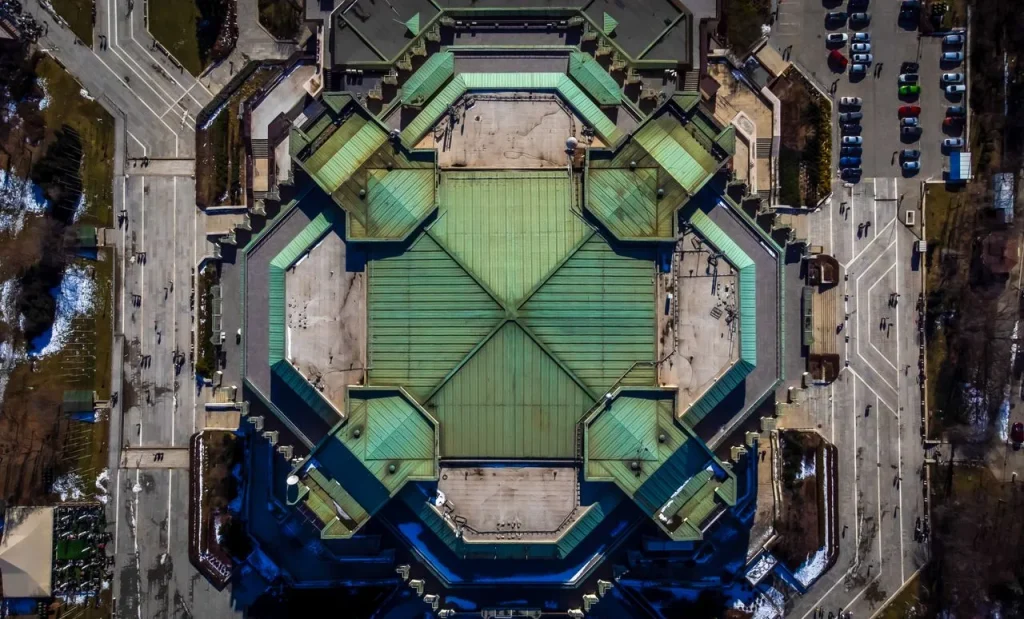
Strategic Roof Asset Management for Public Estates
Managed reactively, a government roof is a series of emergencies, each priced at emergency rates and each a fresh accountability event. Managed proactively, it is a planned line in the asset budget. The data supports the shift: proactive roof management reduces emergency repairs by 60 to 70 per cent, and preventative service agreements cost 30 to 40 per cent less than reactive repair over the life of the asset.
That is the return on strategic roof asset management for public estates. An independent government facility roof assessment establishes the condition baseline as evidence-based roof consulting for high-value assets, and roof asset audits and lifecycle planning turns it into a forward programme the asset team can budget and defend, delivered as genuine roof asset advisory and risk management and independent national roof inspection.
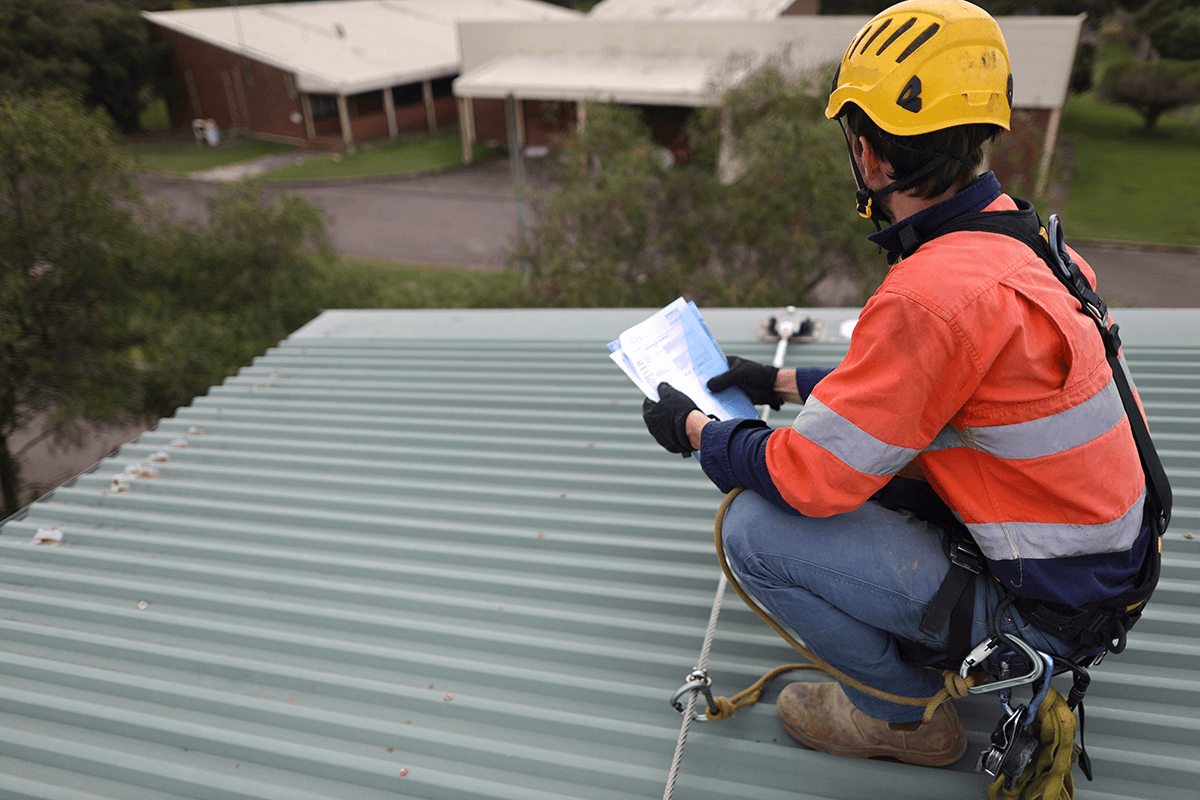
Portfolio Roof Condition and Risk Assessments Across Government Estates
Government agencies rarely manage one roof. They manage estates: school portfolios, health facilities, depots and offices across a region. The value of an independent assessment programme is standardisation, one consistent condition and compliance benchmark across every site, so an asset manager can compare, prioritise and plan across the whole estate on a like-for-like basis.
We deliver portfolio roof condition and risk assessments on that single standard, feeding capital planning support for roofing assets across the estate. Standardised assessment also replaces reactive emergency spending with a predictable programme that is cheaper and far easier to defend at audit than a series of emergency callouts.
National Roof Inspections Australia for Government and Public Assets
Roof Inspection Australia provides government facility roof assessment nationwide. As an independent national roof inspection service, we deliver national roof inspections on one consistent standard, whether the asset is a single school or a government facility roof inspection programme across a state-wide estate.
Wherever the facility is, the assessment references the same compliance frameworks, and that consistency is what a genuine national roof inspection service provides to public-sector asset managers.
Explore Our Related Roof Assessment Services
Roof Inspection Australia provides independent roof inspections for commercial, industrial, and government construction projects across Australia — from Sydney to Melbourne and every state in between.
No builder affiliation. No contractor relationships. No conflict of interest. Just qualified inspectors who assess your roof against the specification and tell you what they find.
We work with developers, project managers, government procurement teams, and property buyers who understand that accepting a roof without independent inspection is accepting a risk they cannot see and cannot price.
FREQUENTLY ASKED QUESTIONS
The accountability. Public assets are publicly funded and audited, so decisions must be defensible. A government facility roof assessment must cite NCC clauses and AS numbers, comply with the WHS Act, feed frameworks like IIMM or AMAF, and be documented to survive audit. A government facility roof inspection at this standard which is a different discipline from a standard commercial inspection.
Yes. Roof Inspection Australia holds CM3 prequalification and carries the professional indemnity and public liability insurance government procurement requires, so we can be engaged through the frameworks agencies already use.
We structure reports to feed the International Infrastructure Management Manual (IIMM), Victoria’s AMAF and Rolling Facilities Evaluation, ISO 55000-based council frameworks, and the Commonwealth Property Management Framework, so the assessment is usable evidence for audit and capital planning.
No. We are independent and assess only. That independence matters more on public assets, because it keeps the assessment free of the conflict that comes with a contractor recommending, and profiting from, their own work.
Yes. We run portfolio roof condition and risk assessments across estates such as school or health portfolios, on one consistent standard, so condition and compliance can be compared and planned across every site.
Yes. As a national roof inspection service, we provide national roof inspections and government roof assessments across every state, so an agency gets the same independent, audit-ready report wherever the facility is.