

Mould on a commercial roof rarely starts as a visible disaster. It begins quietly, out of sight, until a stain appears on a ceiling and tenants start asking questions. By then, mould has often had time to spread, release mold spores, and create conditions for mould growth that are expensive to reverse.
This guide breaks down the real causes of mould and roof mold in commercial buildings, what each issue is costing asset owners, and how a professional, independent roof inspection helps prevent mold before it affects tenants, compliance, and budgets. If you manage or own commercial property, this article shows where risk hides and how to address the root causes early.
The Commercial Roof Mould Problem
Mould in commercial buildings often first appears as mould on your ceiling rather than on the roof surface. A dark streak, damp patch, or musty smell signals that moisture can seep from the roof assembly into ceiling cavities. What looks like minor mold is usually the visible sign of a deeper roof problem.
By the time tenants notice mould, the building has already been exposed to prolonged exposure to moisture. This creates an environment for mould, encourages fungus and algae growth, and introduces health risks for occupants. Complaints, disputes, and even WorkSafe attention can follow, especially where indoor air quality is affected.
For commercial properties, the financial impact is serious. Remediation for mould linked to roof leaks and condensation regularly sits between $85K–$250K, not including business disruption. Independent roof inspection services are essential to prevent mold, because they identify the causes of mould before mould to thrive becomes possible.
Don’t wait for ceiling stains
THE 5 MAIN CAUSES OF MOLD ON COMMERCIAL ROOFS
1) Roof Leak: The Most Common Cause of Roof Mould
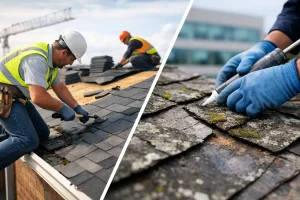
A single leak is one of the leading causes of mould in commercial assets. Damaged membranes, failed flashing, and poor penetration seals allow excess moisture to enter the roof system. Even a small leak can lead to water tracking across the entire roof assembly.
Commercial buildings are especially prone to mold problems from leaks because they have larger roof areas, more penetrations for HVAC and services, and complex roofing material interfaces. One failure can lead to water spreading far from the original source, causing structural damage and hidden mould colonies.
The cost goes beyond repairs. Tenant stock loss, insurance claims, and voided warranties are common when repairing leaks is delayed. Regular roof maintenance and a professional roof assessment reduce the likelihood of this. A roofing contractor may fix symptoms, but only an independent report will address the problem at its source.
2) Poor Ventilation and Trapped Moisture
Poor ventilation creates a conducive environment for mould. When warm, humid air is trapped in roof cavities, humidity levels rise and condensation forms. This moisture feeds mold growth and allows mold to flourish on timber, tile backing, and ceiling materials.
Commercial roofs often contain enclosed cavities, heavy insulation layers, and climate-controlled interiors. Without proper ventilation, moisture and poor ventilation combine to create ideal conditions for mould growth. Over time, mold spores circulate into indoor air, raising health and safety concerns.
Ventilation helps regulate temperature and moisture. Inspections that ensure proper ventilation and airflow can help mitigate hidden risks. This is essential to prevent mould from spreading into occupied areas and triggering respiratory issues, cough complaints, and tenant dissatisfaction.
3) Blocked Gutter and Drainage Systems
Blocked gutter systems and outlets are a major but underestimated cause of roof mold. Leaves, debris, and nearby trees clog drainage paths, leading to ponding water. When water sits on a flat roof, membranes deteriorate and moisture can seep into the structure.
Commercial sites have larger catchments and internal gutter systems that are prone to mold if neglected. Ponding water can lead to water intrusion, membrane breakdown, and mould colonies forming below the surface. What starts as a drainage issue can affect the entire roof.
Regular roof maintenance and drainage checks are crucial to prevent failures. Independent inspections assess whether drainage design and performance match the building’s roofing needs and reduce the likelihood of chronic moisture issues.
Ponding water on your roof? That’s a $150K problem waiting to happen. Book your roof inspection now.
4) Condensation in Roof Cavities
Condensation is a hidden driver of moldy roofs. Temperature differences between interior and exterior surfaces cause moisture to form on the underside of the roof. Over time, excessive moisture builds up and supports mold growth.
Commercial buildings with air-conditioning, large internal volumes, and inconsistent temperature control are especially prone to mold from condensation. A single cold surface can create a spore-friendly zone where mold to flourish becomes possible.
Thermal imaging during a roof inspection reveals moisture patterns invisible to the eye. This allows owners to address the issue before mould on your ceiling appears and before compliance or insurance concerns arise.
5) Inadequate or Damaged Insulation
Insulation plays a critical role in moisture control. Where insulation is missing, compressed, or damaged during fitouts, warm air reaches cooler roof surfaces and condenses. Proper insulation and temperature control help mitigate condensation risk.
Many commercial buildings contain aged insulation that no longer performs. Gaps allow heat transfer and moisture migration. Proper insulation can help stabilise internal conditions and safeguard the structural integrity of the roof.
Inspections identify insulation defects and recommend targeted solutions. This proactive step helps prevent future mould, protects the integrity of your home-like commercial spaces, and keeps assets mould-free.
Suspect a leak?
WHAT TO DO IF YOU NOTICE MOULD ON ROOFS
Step 1: Don’t Ignore It
Mould on your ceiling signals a roof defect. The longer it sits, the more expensive it becomes. Tenants will notice, and complaints escalate quickly when health risks are suspected.
Step 2: Book an Independent Roof Inspection
RIA’s Asset Shield Report™ identifies the exact cause. No upsells, no removal services, no bias — just facts. Compliance-grade documentation supports insurance and WorkSafe discussions.
Step 3: Get a Detailed Condition Report
We pinpoint whether the issue is a leak, insulation gap, ventilation failure, or drainage defect. Reports include photos, spore risk areas, and clear prioritisation.
Step 4: Fix It Properly With Oversight
RIA scopes works, reviews contractors, and oversees repairing leaks and improving ventilation where required. We only sign off when works meet the proper roof standard.
Mold on your ceiling? Get answers, not sales pitches. Call +61 426 415 099
Don’t Let Mold Destroy Your Asset
WHY COMMERCIAL PROPERTIES NEED REGULAR ROOF INSPECTIONS
Prevention vs Emergency
Annual inspection: $5K–$8K
Emergency mould remediation: $85K–$250K
The math is simple.
A regular roof maintenance program is crucial to prevent escalation. Early detection helps remove mold risk before it spreads and avoids drastic mold removal involving bleach, trisodium phosphate, or invasive strip-outs using a scrub brush and chemical cleaning solution.
What Inspections Catch
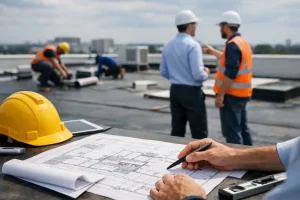
A thorough roof inspection identifies:
- Early leaks before they lead to water entry
- Drainage failures before ponding becomes chronic
- Ventilation and insulation issues
- Signs of mold and black streaks on roofing material
- Areas prone to mold and algae growth
- Risks across the entire roof
This allows asset owners to address the root causes, not just surface symptoms.
Who Benefits
- Asset managers protecting portfolios
- Facility managers avoiding tenant complaints
- Developers ensuring handover quality
- Owners protecting structural integrity and liability
Trust Signal
RIA has inspected 500+ commercial properties across Australia. Our Asset Shield Reports™ are trusted by REITs, government bodies, and national developers because we are 100% independent — no repairs, no upsells, just facts.
Book a roof inspection today
Keep Your Commercial Roof Mold-Free
The Bottom Line
- Mold on roofs has five main causes — all preventable
- Ignoring them often costs $100K+
- Independent inspections identify issues early
- Essential to prevent escalation and protect asset value
The RIA Difference
- We don’t sell repairs or materials
- We provide the truth about your roof’s condition
- We help mitigate risk, protect tenants, and safeguard budgets
- We support owners, not contractors
If you notice mold on your roof, treat it as a warning sign of a larger roof or moisture problem. Mold on your roof often links to leaks or inadequate ventilation. Instead of quick fixes, arrange a professional inspection to find the source and handle the situation safely and effectively.
Small surface growth might look manageable, but most roof-related mould is tied to hidden moisture. Trying to get rid of mold without fixing the cause can make the mold issue return. For commercial buildings especially, professional help ensures the problem is addressed at its source.
Inadequate ventilation traps moisture in roof cavities, creating the perfect environment for mould. Over time, this affects materials, indoor air, and can reduce the integrity of your home or building. Proper airflow is essential to limit moisture build-up due to mold.
Yes, mold-resistant roofing materials can reduce risk, but they don’t eliminate it. If drainage, ventilation, or installation is poor, mould can still develop. Even asphalt shingles or tile systems can be affected when tiles become damp repeatedly.
Roof mould can release spores into the building, and coming into contact with these spores may affect sensitive occupants. This is a concern for any homeowner or commercial tenant. Addressing mould quickly helps protect your home, maintain air quality, and avoid issues linked to professional mold remediation later.