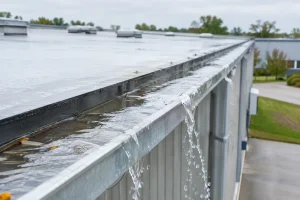



A roof inspection report is more than a checklist. It’s a roadmap for protecting your building, managing lifecycle risks, and avoiding unexpected repairs. For commercial and residential property owners, understanding what goes into a roof inspection report can mean the difference between proactive maintenance and costly surprises. This article explains the seven critical sections that every professional roof inspection report should include, highlighting why independent roof reports are essential for long-term asset protection.
1. Roof Condition Assessment
The first and most vital section of a roof inspection report is the roof condition report. This part details the condition of your roof, including structural integrity, surface wear, and visible defects. A qualified roof inspector evaluates the roof’s current state to detect any defects likely to cause problems or need repair in the future.
A thorough roof inspection goes beyond visual observation. It considers roof design and construction, material compatibility, and signs of early deterioration that could lead to leaks, corrosion, or structural issues. This roof assessment helps owners understand the roof’s remaining lifecycle and potential maintenance requirements.
Commercial and residential properties across NSW and QLD benefit from a clear assessment of your roof’s condition. When conducted by an experienced inspector, the roof inspection goes beyond the standard building inspection to provide peace of mind and actionable insights.
2. Detection of Hidden Defects
A critical section in roof inspection reports is the detection of hidden roof defects. Many roof issues, like moisture ingress, deteriorating underlayment, or failing flashings, are not visible during a routine check. An independent roof inspector can uncover these hidden risks using drone roof inspections or detailed inspections in hard-to-reach areas.
By including hidden defects in the roof report, property owners can prevent roof damage that could escalate into costly repairs. Early detection allows for proactive roof maintenance, avoiding disruption to operations or commercial property use. Detailed reports highlight areas that may need immediate attention versus those that require monitoring, ensuring a balanced maintenance plan.
Uncover hidden roof defects before they turn into costly repairs.
3. Roof Lifecycle and Remaining Service Life
Understanding the roof lifecycle is a core component of a comprehensive roof inspection report. Inspectors assess how long the current roof can reliably function based on material, installation quality, and exposure to environmental factors such as UV, storms, and coastal corrosion.
A roof condition report often includes projections for roof replacement and roof repair needs, helping property managers plan for future capital expenditures. Accurate lifecycle data ensures that the roof design is fit for the building’s intended purpose and aligns with compliance and insurance requirements. This section is particularly important for pre-purchase inspections, where understanding the roof’s remaining lifespan is part of due diligence.
4. Compliance and Warranty Risks
Another critical section of a roof inspection report focuses on compliance and warranty risks. Not all roofs comply with Australian standards, and installation shortcuts or unapproved materials can void warranties. A professional roof inspector evaluates whether the roof design and construction meet manufacturer and regulatory requirements.
Including warranty considerations in the roof report helps building owners avoid future disputes with contractors or suppliers. Identifying non-compliant areas early protects the building’s value and reduces the risk of costly repairs caused by overlooked defects. For commercial roofs, this is crucial when managing multiple assets across Sydney or QLD.
Make confident asset decisions with independent roof inspections.
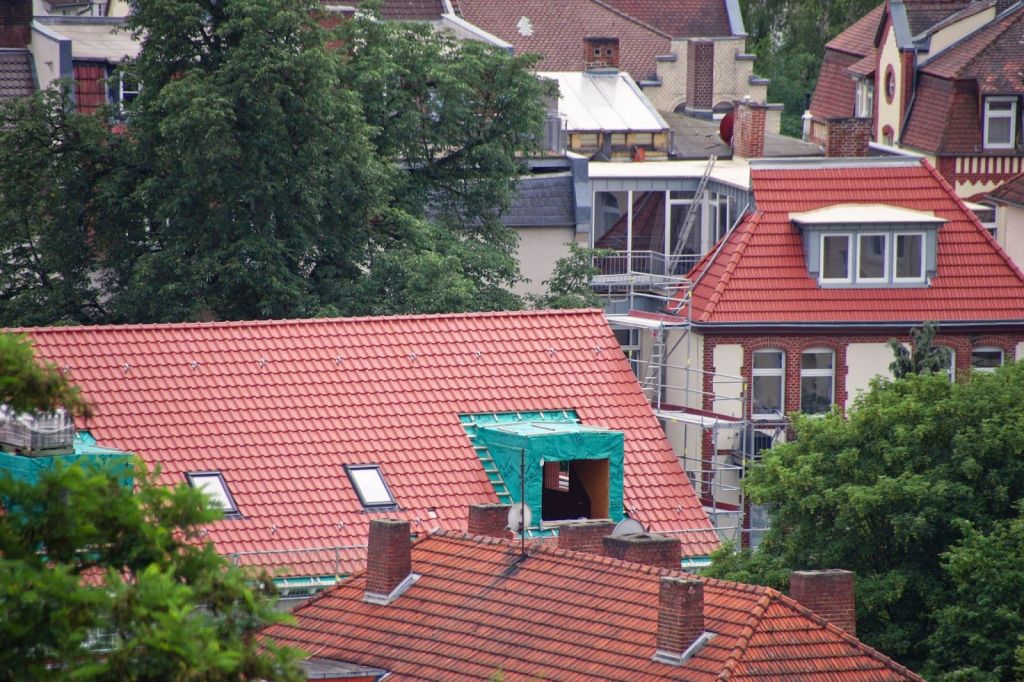

5. Drainage and Water Management
Effective drainage is essential to maintaining a compliant and properly maintained roof. This section of a roof inspection report evaluates gutters, downpipes, drainage falls, and roof penetrations. Poor water management can accelerate roof damage and lead to leaks or corrosion.
A detailed inspection of drainage systems helps prevent hidden issues that may not be obvious during routine checks. An independent roof inspector ensures that the roof inspection goes beyond surface-level observations to identify risks that could compromise the building’s intended purpose. Including this in your roof condition report supports long-term durability and roof maintenance planning.
6. Photos and Recommendations
Visual evidence is critical in a roof inspection report. Photos provide a record of the condition of the roof, highlight defects, and support the inspector’s recommendations. A detailed report with annotated images helps stakeholders understand where repairs or roof repair services are needed.
Recommendations should be prioritized based on severity, potential risk, and lifecycle implications. A professional roof inspection delivers comprehensive reports that include clear action points, allowing property owners to make informed decisions about repair work, maintenance programs, or roof replacement. Including recommendations ensures the roof inspection and report is a practical tool rather than just documentation.
Book a roof inspection today
7. Roof History and Previous Repairs
Finally, understanding the roof’s history is critical. The report should document prior roof repairs, maintenance records, and any modifications that may affect current performance. This section enables a roof inspector to identify recurring roof issues, assess whether past repairs were effective, and predict future maintenance needs.
A historical overview also highlights any potential insurance claims or warranty considerations, giving property owners the confidence that the roof is fit for the intended purpose. This part of the roof inspection report adds context to findings and helps integrate the roof condition report into long-term asset management strategies.
Final Thoughts
Every property owner deserves independent roof reports that provide unbiased, reliable inspections of roof design and construction. RIA delivers professional roof inspection services across Sydney, NSW, and QLD, providing comprehensive reports that highlight hidden defects, warranty risks, and lifecycle considerations. Protect your assets and make informed decisions with a thorough roof inspection and report from RIA.
- Uncover hidden defects before they cause costly repairs
- Assess compliance and warranty risks for commercial and residential roofs
- Plan maintenance and lifecycle management with confidence
- Receive clear, independent, and actionable roof inspection reports
Reach out to RIA today to schedule an independent roof inspection and ensure your roof remains fit for its intended purpose.
A thorough inspection ensures that both residential and commercial roofs are evaluated in detail, identifying potential defects that could lead to costly repairs. Roof inspections provide peace of mind by assessing the condition of the building’s roof, ensuring it is fit for the intended purpose. Regular roof inspections also help maintain the roof’s lifecycle and compliance with building standards.
A roof inspection report serves as a reliable record for insurance purposes, documenting the condition of your roof prior to purchase or lease. These reports deliver a roof’s detailed evaluation, highlighting defects likely to cause problems. By providing unbiased and reliable inspections, insurers and asset managers can make informed decisions on coverage and claims.
For a new build, a roof evaluation should include a detailed roof assessment, verifying that the installation aligns with architectural design plans and Australian standards. Building inspection may assess the condition of the building’s roof and its compliance with the intended purpose. Impartial and independent inspections help prevent warranty disputes and costly post-installation repairs.
Regular roof inspections are recommended at least once a year, or after major weather events, for both residential and commercial properties. Roof inspections provide a detailed assessment of the roof’s condition, enabling early detection of issues that may lead to costly repairs. Reports on time and part of the due diligence process ensure the roof remains compliant and properly maintained.
A professional roof check as part of comprehensive roof inspection services identifies hidden defects that may compromise the roof’s longevity. Inspection may assess the condition of both residential and commercial roofs, evaluating structural integrity and maintenance needs. By delivering thorough and impartial reports across properties, inspectors help prevent future failures and safeguard the building’s intended purpose.