
Most property buyers focus on kitchens, bathrooms, and cosmetic appeal while ignoring the single most expensive component of any building. Your roof protects everything beneath it, yet purchasers routinely settle on properties without understanding its true condition. A damaged roof can cost $15,000 to $50,000 to replace—money you won’t have budgeted if you discover problems after settlement.
Standard building inspections glance at roofs from ground level, missing critical defects that specialised inspectors catch immediately. Water stains hidden in roof cavities, deteriorating sarking, or failing flashing systems rarely appear in generic property reports. By the time visible damage shows inside your new home, underlying problems have already caused thousands in structural damage that sellers have no obligation to disclose.
Why Roofs Get Overlooked in Pre-Purchase Due Diligence
Buyers fall in love with interiors and locations, not structural systems. Excitement about a new property clouds judgement about practical concerns like roof condition. Estate agents understand this psychology perfectly, scheduling inspections on sunny days when that old tile roof looks perfectly adequate from street level.
Generic building inspectors spend maybe 10 minutes assessing roofs as part of broader property inspections. They’re generalists covering electrical, plumbing, structure, and everything else in two hours. Roof expertise requires specific knowledge about materials, installation standards, and failure patterns that most building inspector training doesn’t cover adequately.
The cost of a roof inspection seems unnecessary when you’re already paying for building reports. This false economy causes buyers to skip dedicated roof assessments, gambling that nothing serious lurks above the ceiling. That gamble fails more often than you’d think.
Essential Items Buyers Must Check During Property Assessment
Start with visible indicators from ground level. Gutter condition, downpipe security, and obvious signs of damage like missing or damaged tiles tell you plenty. Sagging rooflines suggest structural problems that warrant immediate professional attention. These observations cost nothing but raise red flags that justify deeper investigation.
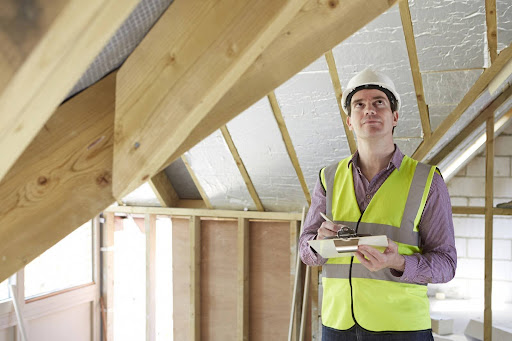
Access the roof cavity if possible during your initial viewing. Daylight visible through the roof, water stains on sarking or timbers, and moisture accumulation all indicate current or recent leak issues. Roof framing condition matters hugely. Check for sagging battens, cracked rafters, or evidence of previous repairs that might not have addressed underlying causes.
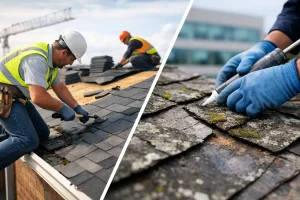
External inspection reveals material lifespan concerns. Curling roof tiles, rust on metal roofing, brittle ridge capping, and deteriorated valleys all signal age-related failure. Different roofing materials have different lifespans, so knowing what you’re looking at helps estimate remaining serviceable years.
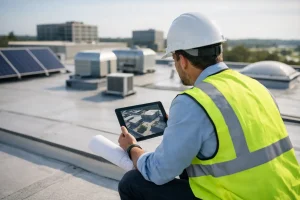
Professional assessment covers what buyers can’t safely or effectively evaluate themselves. Moisture metres detect hidden leaks, thermal imaging reveals insulation gaps and water paths, and experienced eyes spot installation defects that homeowners would never notice. Every part of the roof gets documented photographically with time-stamped evidence you can reference during negotiations.
Serious Risks of Skipping a Dedicated Roof Inspection
Hidden water damage destroys homes silently. Leaks that seem minor create ideal conditions for mould growth, timber rot, and electrical hazards. By the time you notice ceiling stains or peeling paint, structural damage has already occurred.
Financial exposure extends beyond repair costs. Replacing an entire roof forces you to find tens of thousands unexpectedly, often within the first year of ownership. Insurance claims become complicated when pre-existing damage gets discovered, leaving you liable for problems that developed before settlement. Some insurers exclude coverage for roof issues present at purchase, even if you didn’t know about them.
Negotiating power evaporates after settlement. Discovering a damaged roof post-purchase gives you zero leverage with sellers who’ve already received their money. Pre-purchase roof inspection findings let you renegotiate price, demand repairs as a condition of sale, or walk away entirely if problems exceed your budget.
Roof inspection helps protect your property investment before it’s too late. Schedule your RIAx assessment during the due diligence period and maintain your negotiating position.
Critical Differences Between Building Inspections and Specialised Roof Inspections
Building inspectors provide broad overviews of entire properties. They check dozens of systems within tight timeframes, allocating minimal time to any single component. Roofs receive visual assessment from ground level or cursory ladder access at best. This superficial review misses defects that aren’t immediately obvious.
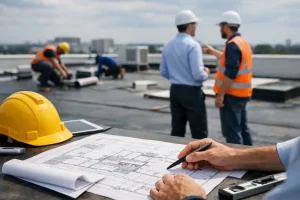
Specialist roof inspectors focus exclusively on roofing systems. They understand material specifications, installation standards, common failure points, and maintenance requirements specific to different roof types. Where a building inspector notes “roof appears functional”, a roof inspector identifies specific issues like inadequate flashing, improper valley installation, or ventilation deficiencies.
Equipment makes an enormous difference. Professional roof inspection services use thermal cameras to detect moisture intrusion, drones for safe high-roof access, and moisture metres that measure hidden dampness. Building inspectors rarely carry this specialised gear, relying instead on visual observation and general knowledge.
Here’s how the approaches compare:
Aspect | Building Inspection | Specialist Roof Inspection |
Roof focus time | 10-15 minutes | 60-90 minutes |
Access method | Ground level, basic ladder | Full roof access, drone imaging |
Equipment used | Visual only | Thermal camera, moisture meters, drones |
Report detail | Brief roof summary | Comprehensive roof analysis with photos |
Defect identification | Obvious issues only | Hidden problems, early-stage failures |
Remaining lifespan | General estimate | Material-specific projections |
Repair cost guidance | Rarely provided | Detailed cost implications |
Documentation standards differ dramatically. Building inspection reports include perhaps one paragraph on roof condition. Roof condition reports span multiple pages with photographs of every section, detailed defect descriptions, repair prioritisation, and estimated costs. This depth helps make informed decisions about purchase price and future budgeting.
Understanding Cost Implications of Major Versus Minor Roof Defects
Minor defects include issues like damaged tiles, loose flashing, blocked gutters, or deteriorated sealants. These typically cost hundreds to low thousands to repair. Catching them early through pre-purchase inspections means you can negotiate repair costs off the purchase price or budget for fixes post-settlement.
Major defects involve structural integrity problems, widespread material failure, or roof structure damage requiring partial or complete replacement. Metal roof replacement runs $8,000-$20,000 for average homes. Tile roof replacement costs $15,000-$30,000 or more depending on pitch and material quality. Full replacement often triggers additional costs for asbestos removal, sarking upgrades, or structural repairs.
The gap between minor and major problems makes early identification critical. A $500 flashing repair left unaddressed can cause $10,000 in water damage within a year. Regular inspection catches deterioration before it cascades into catastrophic failure. Purchasing a property with undisclosed major roof issues essentially reduces your equity by the repair cost immediately.
Repair costs affect borrowing capacity too. Lenders sometimes require immediate roof repairs as loan conditions when pre-purchase roof inspections reveal serious defects. This surprise expense can derail settlements if buyers haven’t budgeted for it. Knowing the actual roof condition before making offers prevents these stressful last-minute complications.
Why Buyers Need Independent Inspectors, Not Sellers’ Contractors
Sellers who offer “recent roof reports” are trying to control the narrative. Those reports often come from contractors who inspected hoping to win repair work, not from independent assessors. The conclusions might downplay problems or ignore defects the contractor wasn’t hired to fix. You can’t trust inspections paid for by people trying to sell you something.
Independence matters because financial incentives shape findings. A contractor inspecting for the seller knows who’s paying them and who might hire them for future work. This relationship creates unconscious bias towards minimising problems that could derail sales or reduce prices. Independent roof inspectors answer only to buyers, providing objective assessment without concern for seller interests.
Access represents another issue. Sellers control when and how their contractors inspect. They might schedule inspections during dry periods when leaks aren’t active or restrict access to areas they know have problems. Your independent inspector works on your timeline, accessing the property during optimal conditions for defect detection.
Documentation quality varies wildly. Seller-provided reports might omit photographs, avoid specific findings, or use vague language that protects the seller legally whilst misleading buyers practically. Professional building inspectors engaged by buyers produce detailed, photographed reports designed to inform purchase decisions, not facilitate sales.
How Professional Inspectors Use Technology to Identify Hidden Issues
Thermal imaging reveals what eyes can’t see. Infrared cameras detect temperature variations caused by moisture, insulation gaps, or air leaks. Wet insulation appears as distinct thermal signatures, pinpointing leak locations even when no visible water stains exist. This technology transforms roof inspection from guesswork into science.
Moisture metres provide quantitative data about timber and material dampness. Rather than relying on “it feels wet”, inspectors measure exact moisture content in roof framing and sarking. Readings above acceptable thresholds confirm active or recent leaks requiring investigation. This eliminates arguments about whether problems are current or historical.
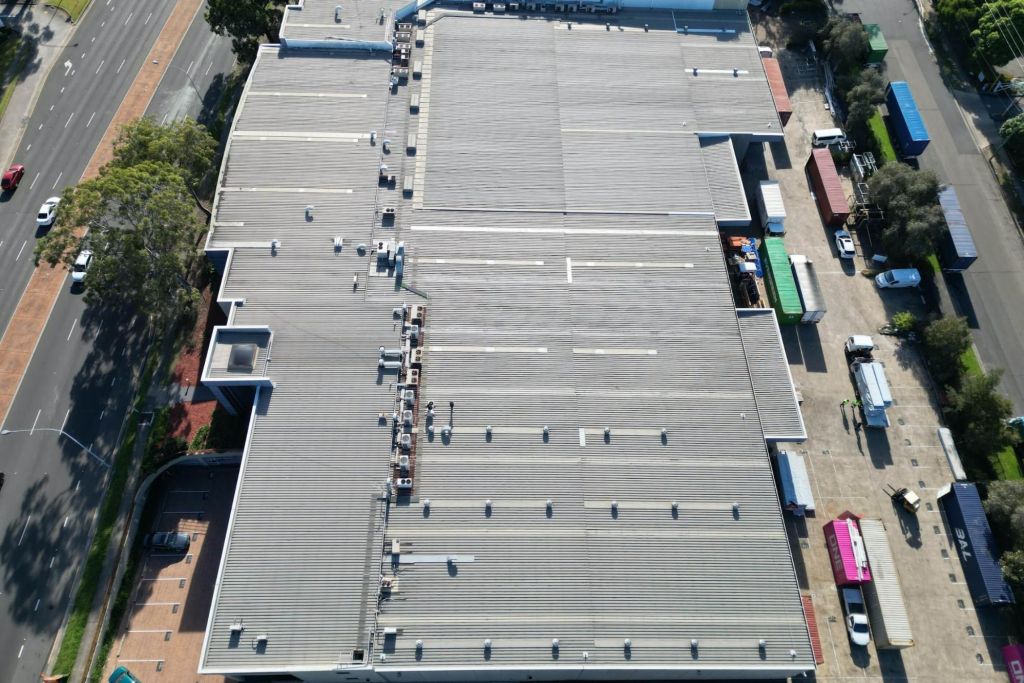
Drone technology enables safe, comprehensive assessment of difficult roofs. High-resolution aerial photography documents entire roof surfaces without inspectors risking steep pitches or fragile materials. Drones capture details visible from the ground like ridge condition, valley installation, and penetration flashing. The resulting images become part of your inspection report, providing visual evidence for negotiations.
These tools separate amateur observation from professional assessment. Anyone can look at a roof; qualified inspectors use advanced equipment to detect problems before they become visible. Technology makes the invisible visible, the uncertain certain, and the hidden exposed.
RIAx’s Role in Protecting Buyers with Clear, Independent Reports
We specialise in roof inspection for property purchase situations where accuracy matters most. Our inspectors understand buyer concerns because we’ve assessed thousands of pre-purchase properties. We know which defects justify price reductions, which signal walk-away scenarios, and which represent normal maintenance expectations for properties of different ages.
Reports arrive clear, comprehensive, and actionable. You’ll receive detailed photographs of every roof section, specific defect descriptions with severity ratings, estimated repair costs for budgeting, and priority rankings so you know what matters most. This documentation arms you for negotiations with concrete evidence rather than vague concerns.
Independence defines our business model. RIAx performs inspections only—no repairs, no contractor referrals, no financial stake in what we find. This structure ensures our findings prioritise your interests exclusively. We profit from accurate assessment, not from inflating problems or downplaying risks depending on who’s paying.
Timing matters in property transactions. We offer flexible scheduling to meet due diligence deadlines and rapid report turnaround so you can make decisions within settlement timeframes. Pre-purchase inspections serve no purpose if they arrive after you’ve already committed legally. Our service model respects the urgency of property purchases whilst maintaining thorough assessment standards.
Book Your Unbiased Pre-Purchase Roof Inspection with RIAx
Don’t buy a home without understanding the roof condition. A pre-purchase roof inspection costs a few hundred dollars and potentially saves tens of thousands. This investment provides peace of mind that your new property won’t ambush you with immediate major expenses. Even properties that look perfect from street level can hide expensive surprises above the ceiling.
RIAx makes the process straightforward. Call us at +61 426 415 099 when you’re ready to make an offer or during your due diligence period. We’ll schedule an inspection within days, assess the property thoroughly, and deliver your comprehensive roof analysis within 48 hours. You’ll know exactly what you’re buying, what it’ll cost to maintain, and whether the asking price reflects the true property condition.
Our inspection includes complete roof surface assessment, roof cavity examination, gutter and downpipe evaluation, flashing and penetration review, ventilation adequacy check, and structural integrity analysis. You’ll receive a detailed report with photographs, defect descriptions, and repair cost estimates.
Pre-purchase roof inspections typically cost $400-$800 for residential properties depending on size, roof complexity, and access requirements. Commercial property inspections require custom quotes. This investment protects you from discovering costly roof repairs after settlement when you have zero negotiating leverage.
Book your inspection during the due diligence period after making an offer but before settlement becomes unconditional. This timing preserves your ability to renegotiate, request repairs, or withdraw if the roof’s condition reveals problems exceeding your budget.
You’ll receive a detailed report documenting all defects with repair cost estimates. Use this information to negotiate price reductions, demand repairs as settlement conditions, or walk away from the purchase. The findings give you leverage and options before committing legally.
Building inspectors provide general overviews but lack the specialised equipment, focused time, and roof-specific expertise that dedicated roof inspectors bring. Their roof inspection reports rarely include the depth of analysis, photographic documentation, or accurate cost projections that informed purchase decisions require.
On-site inspection usually takes 1-2 hours depending on property size and roof accessibility. We deliver comprehensive inspection reports within 48 hours, ensuring you receive findings whilst still within your due diligence period.
Yes, our inspectors assess tile roofs, metal roofing, membrane systems, slate, and all common roofing materials across residential and commercial buildings. We identify issues specific to each material type and provide repair cost guidance based on current market rates.