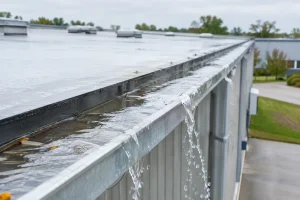




A roof leak rarely starts where the water shows up. By the time staining hits a ceiling tile, corrodes plant, or interrupts operations, the real failure point may be metres away and months old. That is why the roof defect diagnostics process matters. It is not a box-ticking inspection. It is the difference between finding the cause and paying repeatedly for symptoms.
For commercial assets, that distinction carries real cost. A wrong diagnosis can trigger unnecessary replacement works, contractor disputes, warranty arguments, and avoidable capital spend. A sound diagnosis gives you evidence, leverage, and control. It tells you what has failed, why it failed, how urgent it is, and what should happen next.
What the roof defect diagnostics process is really for
At a basic level, the roof defect diagnostics process is a structured investigation into roof performance failures. In practice, it goes further than that. It separates visible defects from root causes, tests assumptions, and translates technical findings into decisions that stand up commercially.
This matters because roofs fail for different reasons, and the remedy depends on the failure mechanism. A membrane split caused by movement is not the same problem as a membrane split caused by poor detailing or incompatible materials. Ponding water may point to blocked drainage, deflection, settlement, poor falls, or a combination of all four. If the diagnosis is lazy, the repair will be too.
For owners and managers of large property assets, the process is also about risk prioritisation. Not every defect justifies immediate intrusive works. Not every active leak means full replacement. Equally, some apparently minor issues signal broader systemic failure. Good diagnostics sort noise from signal.
How the roof defect diagnostics process works
A credible diagnostics process starts before anyone steps onto the roof. Background matters. Building age, roof type, refurbishment history, previous leak records, contractor reports, warranty documents, and maintenance patterns all shape the investigation. If a consultant ignores this context, they are already guessing.
The site inspection then focuses on evidence, not assumptions. Surface condition is reviewed, but so are transitions, upstands, penetrations, terminations, drainage paths, movement points, flashings, lap integrity, sealant performance, fixings, and signs of moisture migration. Internal observations matter just as much as external ones. Ceiling damage, rusting, mould, staining patterns, and service penetrations often help map the path of water and narrow likely entry points.
Where required, the process moves beyond visual review. Moisture detection, targeted flood testing, adhesion checks, thermal assessment, and selective intrusive investigation may all have a role. The point is not to throw tools at the problem. The point is to use the right method to confirm or reject likely causes. On a live commercial site, that judgement matters because unnecessary testing creates cost and disruption.
Then comes the part many inspections fail to do properly – analysis. A defect report that simply lists cracked sealant, ponding, corroded flashings, and blocked sumps is not a diagnostic outcome. It is an observation sheet. Diagnostics require cause-and-effect logic. What is the primary failure? What are secondary consequences? Is the issue localised or systemic? Is it age-related deterioration, installation error, deferred maintenance, design weakness, or operational damage?
That final distinction is where commercial value sits. It affects scope, timing, liability, and whether you should be challenging a contractor, adjusting maintenance, or planning staged capital works.
Why visual inspections alone are not enough
A visual inspection has value, but it is only one layer. Plenty of roof defects hide below the surface or present misleadingly. Water can track along deck ribs, insulation, purlins, conduits, or structural elements before appearing internally. A repaired surface split may not be the source of the leak. A neat-looking roof may still have widespread moisture saturation beneath the membrane.
This is why experienced diagnostic work resists easy answers. If someone attends site for twenty minutes, points at a stain, and recommends replacement, that is not expertise. That is sales dressed up as advice.
Independent consultants have an advantage here because they do not need the diagnosis to justify a repair package. They can say the membrane is serviceable but the drainage design is poor. They can say the issue is isolated rather than systemic. They can also say the roof is at the end of its useful life and patching it further is throwing good money after bad. Truth first. Scope second.
Common defect categories and what they can mean
Most commercial roof failures fall into recurring groups, but the implications vary. Waterproofing defects often involve laps, terminations, penetrations, and junctions where workmanship quality is exposed. Metal roof failures may relate to corrosion, loose fixings, failed sealants, inadequate end laps, or thermal movement. Drainage defects can stem from blocked outlets, insufficient overflow provision, poor falls, or sagging substrate.
The important point is that the same symptom can have multiple causes. Ponding water is a good example. On one site, it may be a maintenance issue caused by debris accumulation. On another, it may reveal structural deflection or a design that never achieved compliant drainage performance in the first place. Those are very different conversations with very different budget implications.
Defects around rooftop plant are another frequent problem area. Mechanical upgrades, cabling, solar works, and service penetrations often compromise roof integrity long after practical completion. If diagnostics do not account for service trades and later modifications, the investigation stays incomplete.
What good reporting should give decision-makers
A proper diagnostic report should do more than describe defects. It should help you act. That means clear defect mapping, evidence-based findings, likely root causes, risk grading, urgency, and practical recommendations tied to outcomes.
For commercial stakeholders, the report should also distinguish between maintenance items, repairable defects, latent construction issues, and indicators of broader asset decline. Those categories affect procurement strategy. A maintenance contractor, remediation specialist, builder, or legal adviser may each need different information.
Clarity matters here. If a report is vague, everyone downstream fills the gap with opinion. That is how costs drift and accountability disappears. A sharp report reduces room for spin. It gives asset managers something they can take to internal stakeholders, contractors, insurers, or project teams with confidence.
The commercial risks of getting the diagnosis wrong
A poor roof diagnosis does not just waste repair dollars. It can distort capital planning, compromise tenant confidence, interrupt operations, and weaken your position in disputes. If a contractor-led inspection overstates deterioration, you may approve unnecessary replacement. If it understates hidden failure, you may carry rising moisture damage into insulation, structure, and interiors.
There is also the problem of repetitive spend. Many portfolios carry the same leak year after year because the original investigation never identified the actual entry point or broader failure mechanism. Money gets spent, but risk stays put.
In handover and warranty contexts, the stakes are even higher. If defects are not properly diagnosed and documented, latent issues can be missed until commercial leverage is gone. Once the builder, contractor, or supplier starts pushing back, evidence quality becomes critical.
When to commission a formal diagnostics investigation
Not every issue needs a full-scale forensic exercise. But some triggers should put decision-makers on notice. Recurring leaks are an obvious one, especially where previous repairs have failed. Widespread ponding, unexplained internal moisture, disputed contractor advice, signs of membrane blistering or delamination, corrosion around fixings or flashings, and concerns at practical completion all justify a more disciplined process.
The same applies when a major budget decision is approaching. If you are weighing significant repair works against replacement, relying on anecdotal advice is risky. A structured diagnostic assessment gives you a firmer basis for staging works, preserving service life where possible, or justifying capital allocation where necessary.
For complex sites such as hospitals, logistics facilities, schools, and government assets, the threshold for certainty should be higher. Operational continuity matters. So does documentation. In those environments, the cost of a wrong call is rarely limited to the roof itself.
Independent diagnostics creates leverage
The best reason to invest in a disciplined diagnostic process is simple – it improves your position. It helps you challenge inflated scopes, identify real liability, prioritise genuine risk, and avoid being steered by whoever happens to profit from the outcome.
That is the value of an independent consultant model. Roof Inspection Australia does not sell repairs, replacements, or products. It just tells clients what is there, what it means, and what should happen next. For commercial asset owners, that independence is not a branding line. It is a control measure.
If the roof is salvageable, you need evidence to avoid premature replacement. If it is failing, you need evidence strong enough to support decisive action. Either way, the roof defect diagnostics process is not about producing a report for the shelf. It is about making sure the next dollar spent on the roof is spent for the right reason.