
Scroll Top

Commercial Roof Inspections for High-Value Assets — Independent & Decision-Ready

Commercial Roof Inspections for High-Value Assets — Independent & Decision-Ready

A roof asset advisory engagement is not simply about finding faults. It is about understanding risk, defining scope, and giving decision-makers a clear, defensible position before money is committed.

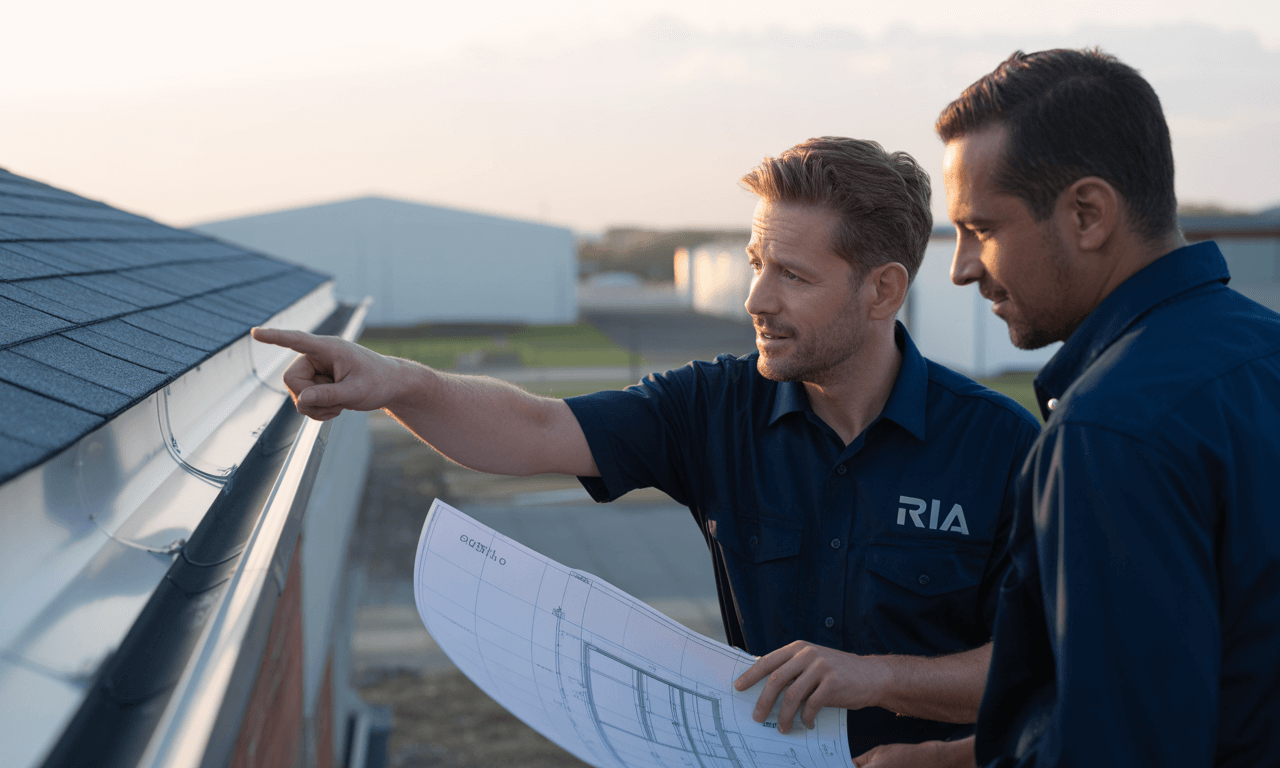
Roof Inspection Australia provides comprehensive roof inspections for commercial, industrial, and institutional assets where decisions carry financial, operational, or compliance weight. We do not carry out roof repairs. We provide independent, evidence-based advice that stands on its own.

This is an advisory service built for those who manage assets at scale, where the wrong decision, made without the right information, has real consequences.

roof
A Roof Inspection Is Not What Most People Think It Is

Most commercial roofs do not fail suddenly. They deteriorate progressively, often masked by temporary repairs, incomplete information, or conflicting advice from contractors who have a stake in the outcome.

By the time issues become visible internally – water stains on ceilings, recurring leaks, failed repair after failed repair – the cost and complexity have already escalated well beyond what early intervention would have required. A thorough roof risk and asset protection advisory engagement is designed to cut through that.

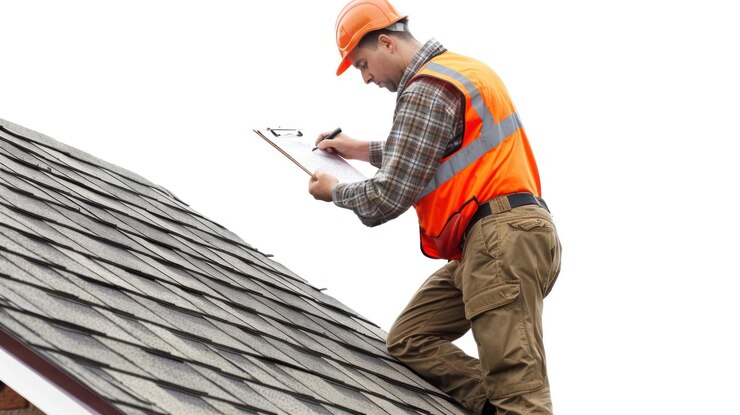
What separates a high-level commercial roof inspection from a standard building inspection is the depth of analysis. It is not a walkover. It is a structured assessment that establishes a clear position on the condition of your roof, the underlying causes of any issues, the level of risk across the asset, and the appropriate pathway forward.
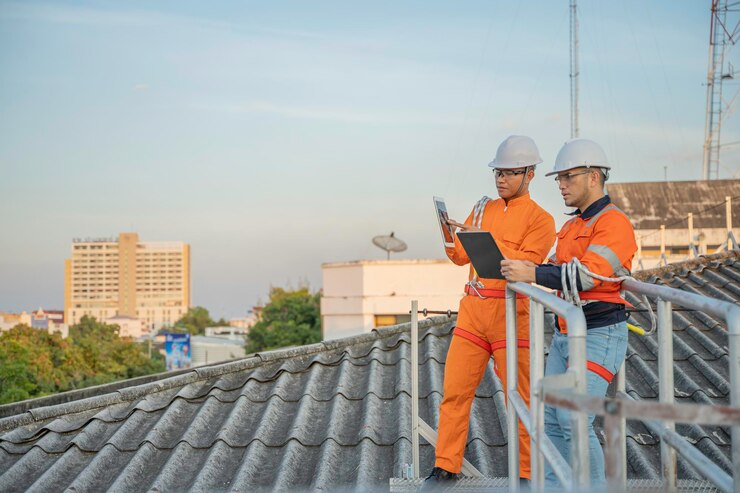

What RIA's Commercial Roof Inspections Actually Assess

Roof Systems And Material Condition

Metal, membrane, and tile systems are assessed for condition, detailing quality, and suitability for their application. Every roof is different—age, environment, maintenance history, and original installation quality all affect how a system performs.

Our roof performance assessment looks beyond surface appearance. We identify material fatigue, corrosion, and deterioration patterns that indicate whether a roof is ageing normally or fundamentally compromised.

Roofing materials rarely fail without warning. The signs are there if you know what to look for.

Drainage Design And Performance

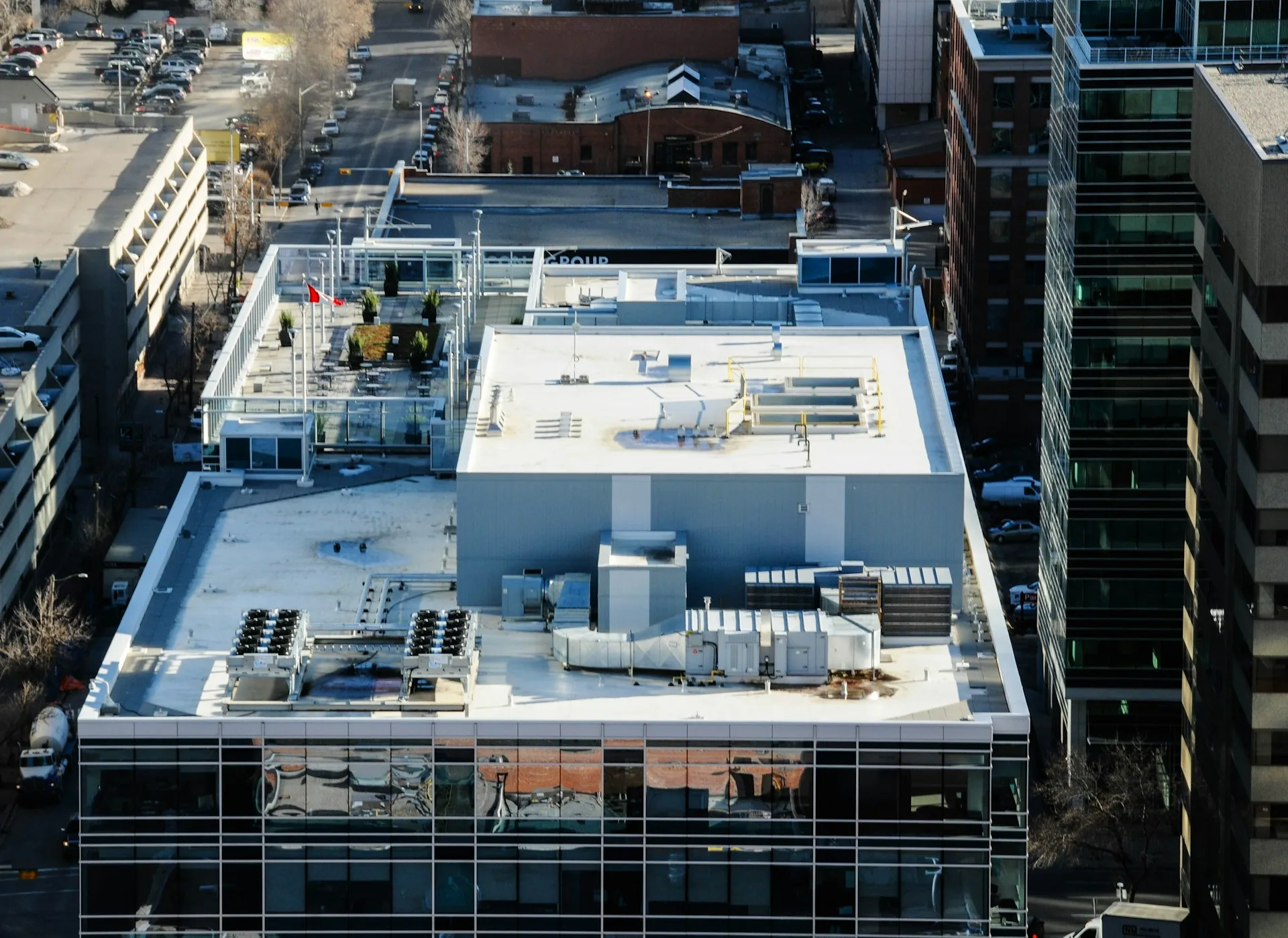
Box gutters, sumps, outlets, and overflow provisions are reviewed as a complete system, not as individual components. In many cases, drainage limitations are the primary driver of failure and the last thing a contractor thinks to flag.

Poor drainage design creates ponding, accelerates deterioration, and puts the entire roof at risk during heavy rainfall. We assess fall, capacity, and flow paths to understand how the system actually performs under load.

A gutter that looks serviceable in dry conditions can be the source of significant damage when it matters most.

Critical Junctions, Flashings, And Penetrations

Wall interfaces, parapets, and transitions are where most leaks originate. These junctions are assessed for both design intent and quality of execution because a detail that looks correct on a drawing is not always what ends up on the roof.

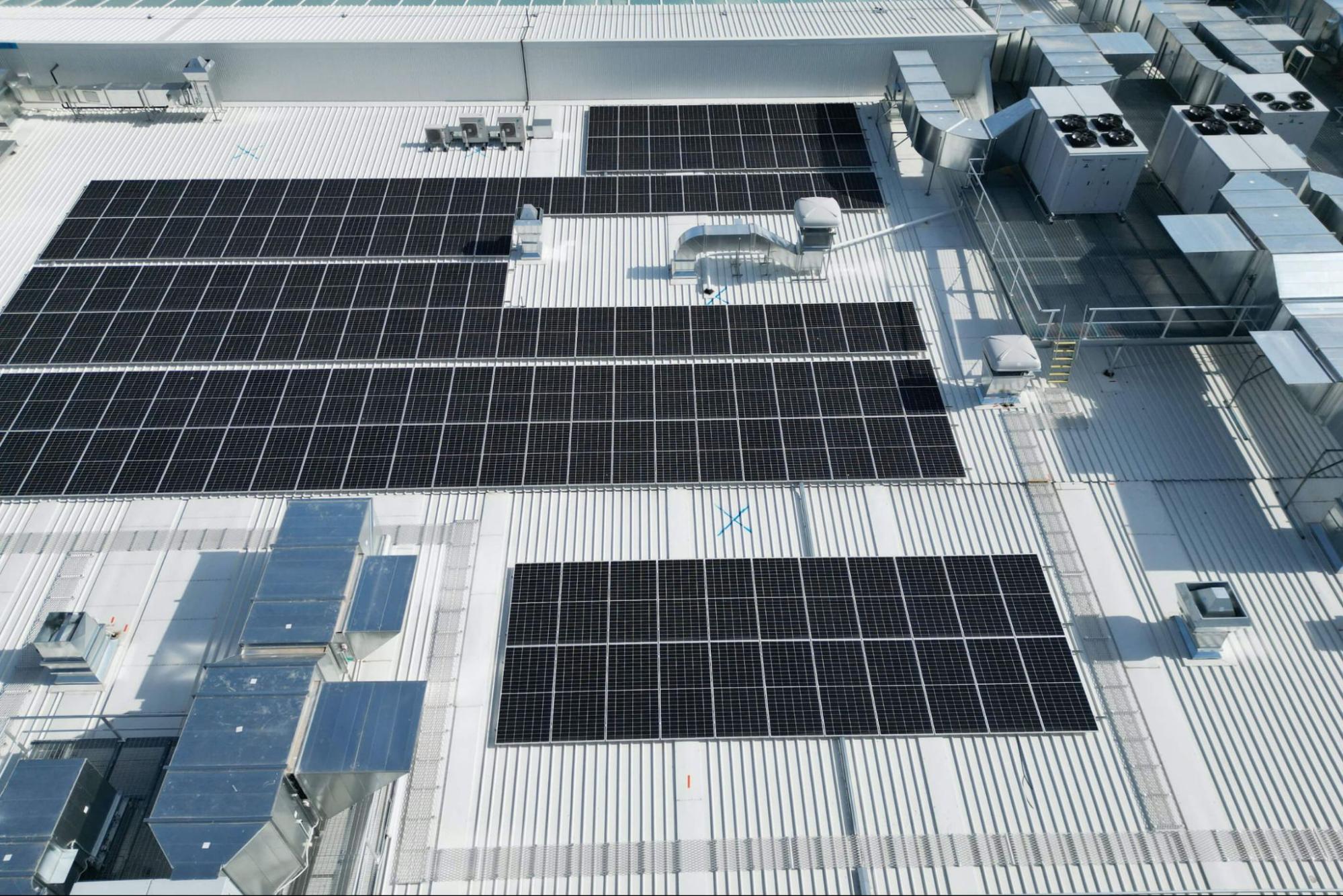
HVAC systems, services, and retrofitted elements are reviewed for waterproofing integrity. Each penetration is a potential failure point if it was not properly integrated into the roofing system at the time of installation.

Workmanship, Compliance, And Systemic Issues

Every advisory engagement includes an assessment against the National Construction Code, relevant Australian Standards, and manufacturer requirements. Workmanship is reviewed not just for quality but for compliance because non-compliant installation creates liability that outlasts the original contractor.

We also look for patterns. A single defect is a maintenance item. A pattern of defects is a systemic issue, and the two require very different responses.

Our Approach: Understanding The Roof, Not Just Observing It

We approach each roof asset advisory engagement with one objective: to understand the roof, not just observe it. That means focusing on root causes, not surface symptoms.

Every element is reviewed in relation to the others. A leak rarely has a single, isolated cause. Previous repairs are examined to identify whether they resolved the underlying issue or simply delayed it. In many cases, what looks like a repair history is actually a compounding liability.

Where the situation requires it, advisory assessments may include drone surveys for full roof coverage, close-access investigations of critical details, and targeted invasive checks to confirm suspected failures. Every recommendation is based on evidence, not assumption.

What You Receive: Reports Built For Decision-makers

Our roof asset advisory process and deliverable are structured to support decision-making at a professional level. Asset managers, consultants, and project teams use them to move forward with clarity, not guesswork.

Each roof asset advisory report includes:

Clear photographic documentation with annotations
Identification of defects and risk areas
Explanation of underlying causes
Prioritised recommendations aligned with risk
High-level scope direction for remedial works
Budget-level considerations where required

This allows you to engage contractors on a like-for-like basis, avoid unnecessary expenditure, and plan works with confidence. A detailed roof asset condition and risk report is not paperwork. It is a tool for protecting your investment.

Typical Findings Across Commercial And Institutional Assets

Across commercial, industrial, and institutional assets, the same roof issues appear repeatedly. Not because they are obvious, but because they are consistently misunderstood or overlooked.

Drainage Systems Operating Beyond Capacity

Box gutters and sumps designed or modified without adequate capacity lead to ponding, overflow risk, and accelerated deterioration. This is one of the most common findings across commercial assets and one of the most frequently misdiagnosed.

When drainage is the root cause, repairs to the roof surface will never resolve the problem. The issue will return. It always does.

Chronic Leaks With No Identified Origin

Repeated repairs applied to symptoms rather than causes. Water tracking beneath the system and presenting internally away from the actual failure point. This is the pattern we see on assets where contractors have assessed the roof multiple times without resolution.

An independent roof risk and asset protection advisory changes the dynamic entirely. Without a stake in the repair, the focus stays on finding the actual cause, not justifying a scope of works.

Retrofitted Services Comprising The Roof

Mechanical and electrical installations introduced after project completion, often without proper integration into the existing roofing system. The roof works around them until it doesn’t.

These are the penetrations that get missed in a standard assessment because they look deliberate. They are deliberate. They are just not properly detailed.

Incompatible Repairs And Patchwork Solutions

Multiple repair approaches were layered over time by different contractors, using different materials and methods. The result is inconsistent performance and increasing complexity for any future works.

What reads as a maintained roof on paper can be a significant liability in practice. Every layer added without proper investigation makes the next decision harder.

Non-compliant Detailing At Flashings And Penetrations

Flashings, penetrations, and terminations installed without alignment to Australian Standards or manufacturer requirements. This creates long-term vulnerability at the exact points where failures are most likely to originate.

These issues are rarely self-reported. A qualified roof asset advisor with no connection to the original installation is the only reliable way to identify them.

Roof Systems Approaching End Of Service Life

Assets continuing to be maintained beyond their viable lifespan, where ongoing repairs no longer represent value. At some point, the economics shift and continuing to spend on maintenance becomes a case for planned roof replacement.

Identifying that point accurately requires an independent roof performance assessment and lifecycle strategy. Not a contractor’s recommendation. Not an assumption based on age alone.

Ready to Get Strategic About Your Roof?

Don’t wait for a leak or a lawsuit.

Get an Asset Shield Report™ and take control of your roofing risk, budget and reputation.

Contact Roof Inspection Australia today.

What Engaging Too Late — Or Not At All — Actually Costs

Engaging at the right time does not just identify issues. It prevents the wrong decisions from being made. Across commercial assets, the consequences of delayed or absent inspection follow predictable patterns.

Misguided Scope And Budget Blowouts

Contractors pricing incomplete or incorrect scopes leads to variations, disputes, and cost escalation. Unidentified conditions emerging during works because no one properly investigated upfront turn fixed-price contracts into moving targets.

Costly repairs become even more expensive when the scope was wrong from the start. Budget blowouts during construction are rarely surprises. They are the result of decisions made without a clear position on the condition of the roof.

Repeated Repairs That Never Resolve The Problem

Ongoing spending on repairs and maintenance that addresses symptoms, not causes. No resolution, no accountability, no pathway forward. The cost compounds quietly until it becomes a capital event.

Regular roof asset audits exist precisely to break this cycle. They identify the actual issue early, before the maintenance budget absorbs another round of work that achieves nothing.

Premature Full Replacement

Entire roof systems are being replaced where targeted, well-defined works would have achieved the required outcome. Without an independent baseline, there is no way to challenge a contractor’s recommendation for a full roof replacement.

Significant capital committed to a new roof when the existing system had serviceable life remaining is one of the most avoidable outcomes in commercial property management.

Contractor-led Decision-making And Operational Risk

Scope and solutions driven by those delivering the work. The bias is not always intentional, but it is structural. A roofing contractor quoting repairs or even replacement on a roof they have also assessed is not an independent position.

Leaks, tenant disputes, insurance claims, and operational disruption follow when the wrong decision is made without independent oversight. Roof asset advisory gives asset managers the platform to make decisions that are structured, comparable, and defensible.

When To Commission A Commercial Roof Inspection

A comprehensive commercial roof inspection is typically commissioned when clarity is needed before a significant decision. That includes:

  • Ongoing issues that have not been resolved through maintenance

  • Major repair or replacement works under consideration

  • Conflicting advice received from contractors or previous consultants

  • Due diligence required prior to acquisition or lease — including pre-purchase roof asset assessments

  • Portfolio-wide visibility required across multiple sites

If the next decision carries cost, risk, or long-term impact, whether you are in NSW, the Gold Coast, or anywhere across Australia, this is the point to engage. It is also worth noting that regular roof asset audits and lifecycle reviews — at least once a year for high-use commercial assets — are one of the most effective ways to keep your roof performing and avoid expensive repairs down the track.

roof
A High-level Scope Example — What A Commercial Roof Assessment Typically Involves

Every site is different. But a high-level advisory engagement typically includes the following components, and understanding what is involved helps set the right expectations before work begins.

Pre-inspection Review And Site Preparation

Before we attend the site, we review all available drawings, reports, and historical information. We take time to understand known issues, leak history, and previous repairs so our assessment is targeted from the start, not generic.

We also identify key risk areas in advance. That way, our time on site is spent where it matters most.

Full Roof Access And System Walkthrough

We assess all accessible roof areas’ different sections, levels, and transitions included. Variations in construction, age, and condition are identified across the full extent of the asset.

For large or complex sites, we use a staged or sectional assessment approach. Our goal is complete visibility, not a representative sample.

Critical Detail Investigation 

We focus on the areas where failures typically originate:

  • Box gutters, sumps, and drainage outlets
  • Flashings at walls, parapets, and junctions
  • Roof penetrations including services and plant
  • Transitions between different roofing systems

We assess each of these for both design intent and execution. This is where most building assessment reports stop short — and where ours go further.

Drainage Performance Assessment

We review fall, capacity, and flow paths across the complete drainage system. We identify ponding zones and restricted outlets and assess overflow provisions against the risk of heavy rainfall events.

Drainage is often the determining factor in long-term roof performance. We give it the attention it deserves.

Condition, Workmanship, And Compliance Assessment

We identify deterioration, corrosion, and material fatigue. We assess installation quality and detailing across the roof and review everything against the National Construction Code, relevant Australian Standards, and manufacturer requirements.

Our roof system diagnostics establishes whether the roof is simply ageing or fundamentally compromised. That distinction shapes every recommendation we make.

Targeted Investigation (Where Required)

Where high-risk or failed areas require closer attention, we conduct close-up investigations and selective invasive checks to confirm suspected issues. We verify concealed conditions where necessary.

We only undertake targeted investigations where it adds clarity to the outcome. Every check we perform has a purpose.

Photographic Documentation And Defect Categorisation

We document the full site with comprehensive photography. Our annotated images highlight key defects and risks, giving stakeholders clear visual references that make the condition of the roof easy to understand and communicate.

We categorise defects by severity and impact, separating maintenance items from capital works drivers and systemic issues from isolated faults. This prevents minor issues from being treated as major works, and vice versa.

Recommendations, Reporting, And Decision Briefing

We provide clear, prioritised recommendations with identification of appropriate repair, upgrade, or replacement strategies. Our high-level scope direction is structured so works can be defined and priced properly by contractors.

Our roof asset advisory report is built for internal and external stakeholders alike. We are also available to debrief asset managers, consultants, or project teams directly, walking them through our findings and answering questions on the spot. The outcome is not just a document. It is a clear position that can be relied upon.

Who We Work With

Our roof asset advisory service is built for clients responsible for managing risk at scale. That includes:

  • Commercial property and asset managers protecting portfolio value

  • Institutional and government organisations managing compliance and operational continuity

  • Facilities and operations teams

  • Strata and owners’ corporations

  • Builders and project managers

Whether you are buying a new commercial asset, managing an existing portfolio, or dealing with issues early before they compound, our role is to provide clarity at the point where decisions matter.

A qualified roof asset advisor who operates independently brings something a contractor cannot: an assessment of your roof’s condition with no stake in what happens next.

Independence Is Not A Feature but The Foundation

Most roofing advice in the market is tied to the delivery of works. That creates a natural bias, not always intentional, but always present. A contractor who assesses a roof and then quotes is not providing an independent roof asset advisory. They are providing a sales process with an assessment attached.

At Roof Inspection Australia, we do not quote roof repairs. We do not benefit from the scope of works. Our position remains consistent regardless of outcome, and that is precisely what makes our advice reliable.

This is what peace of mind actually looks like for a commercial asset manager. Not reassurance. A documented, defensible position on the health of your roof from qualified roof asset advisors with nothing to sell.

From Roof Asset Advisory To Full Project Delivery

A roof asset advisory engagement is often the first step in a broader process. Where required, we can support the full path from assessment through to delivery — ensuring continuity and independent oversight at every stage.

Our team can:

  • Develop detailed scopes of work following the assessment

  • Prepare tender documentation and evaluate contractors

  • Provide independent oversight during construction with site visits and QA checks

  • Sign off work before the final invoice

This ensures roof works are managed fairly, without shortcuts or inflated costs. You will have a qualified roof asset advisor in your corner from the initial assessment through practical completion, protecting both your budget and your asset.

Ready to get a clear position on your roof?

Uncertainty around the state of your roof is a risk that grows the longer it goes unaddressed. Whether you are managing a single commercial property or a multi-site portfolio, the right time to establish a clear position is before the next decision, not after.

Initial discussions are direct and practical. We will advise on the level of roof asset advisory required and what it should deliver. We can step in at any stage of planning: pre-purchase, mid-dispute, or pre-capital works.

If you need to understand the roof’s condition, define the right pathway forward, or make sure your roof is performing as it should, book an inspection with Roof Inspection Australia today. Every inspection starts with a conversation. Let’s have it.

FREQUENTLY ASKED QUESTIONS

Each inspection and report includes photographic documentation, defect identification, root cause analysis, prioritised recommendations, and high-level scope direction for any works required.

A contractor who inspects your roof and then quotes repairs has a financial interest in the outcome. Our inspections are fully independent; we do not sell roofing services or carry out repairs.

For most commercial assets, regular roof inspections at least once a year are recommended, more frequently for older systems or assets with a history of recurring issues.

Yes. Pre-purchase inspections are one of the most common reasons clients engage us providing a clear assessment of your roof’s condition before a transaction is finalised.

We inspect metal, membrane, and tile roof systems across commercial, industrial, and institutional assets. If you need to inspect your roof and it is a high-value asset, we can help.

Yes. We are based in Sydney and provide roof inspection services nationally, including the Gold Coast, NSW, and all major Australian states and territories.

We provide a structured roof condition report with clear recommendations. An optional debrief is available to walk your team through the findings, and we can support the next steps through to project delivery if required.

We do not carry out repairs. However, we can develop scopes of work, run tender processes, oversee construction, and provide final sign-off, ensuring works are delivered properly and independently verified.

If the next decision involves significant cost, compliance risk, or long-term asset impact, a high-level commercial assessment is the right starting point. A building and pest inspection or standard building inspection is not designed for that level of analysis.